Preparing for Your Trip to Antarctica
Before visiting Antarctica, you may need to get the following vaccinations and medications for vaccine-preventable diseases and other diseases you might be at risk for at your destination: (Note: Your doctor or health-care provider will determine what you will need, depending on factors such as your health and immunization history, itinerary, and planned activities.)
To have the most benefit, see a health-care provider at least 4–6 weeks before your trip to allow time for your vaccines to take effect.
Even if you have less than 4 weeks before you leave, you should still see a health-care provider for needed vaccines, medications, and information about how to protect yourself from illness and injury while traveling.
If your travel plans will take you to any other destinations besides Antarctica during your trip, be sure to let your health-care provider know so that you can receive the appropriate vaccinations and information for all your destinations. Long-term travelers, such as those traveling to Antarctica for work or research, may also need additional vaccinations as required by their employer or organization.
Be sure your routine vaccinations are up-to-date. Check the links below to see which vaccinations adults and children should get.
Routine vaccines, as they are often called, such as for influenza, chickenpox (or varicella), polio, measles/mumps/rubella (MMR), and diphtheria/pertussis/tetanus (DPT) are given at all stages of life; see the childhood and adolescent immunization schedule and routine adult immunization schedule.
Routine vaccines are recommended even if you do not travel. Although childhood diseases, such as measles, rarely occur in the United States, they are still common in many parts of the world. People joining tour groups to visit Antarctica may come from many different parts of the world and can carry diseases common in their home country with them. A traveler who is not vaccinated would be at risk for infection.
Vaccine-Preventable Diseases
Vaccine recommendations are based on the best available risk information. Please note that the level of risk for vaccine-preventable diseases can change at any time.
| Vaccination or Disease | Recommendations or Requirements for Vaccine-Preventable Diseases |
|---|
| Routine | Recommended if you are not up-to-date with routine shots such as, measles/mumps/rubella (MMR) vaccine, diphtheria/pertussis/tetanus (DPT) vaccine, poliovirus vaccine, etc. |
| Other vaccines | Other vaccines, such as hepatitis A, hepatitis B, typhoid, and meningococcal vaccines may also be recommended by your health-care provider. Recommendations for these vaccines will depend on your itinerary, length of travel, purpose of travel (such as tourism, research, occupational), and health history. |
Medicines you may need:
- The prescription medicines you take every day. Make sure you have enough to last during your trip. Keep them in their original prescription bottles and always in your carry-on luggage. Be sure to follow security guidelines, if the medicines are liquids.
- Motion sickness medicines, if you will be traveling by cruise ship.
Note: Some drugs available by prescription in the US are illegal in other countries. Since most travelers to Antarctica will transit through a country other than the United States, check the US Department of State Consular Information Sheets for the country(s) you intend to transit or the embassy or consulate for that country(s). If your medication is not allowed in the country you will be visiting, ask your health-care provider to write a letter on office stationery stating the medication has been prescribed for you.
Other items you may need:
See other suggested over-the-counter medications and first aid items for a travelers' health kit.
Note: Check the Air Travel section of the Transportation Security Administration website for the latest information about airport screening procedures and prohibited items.
Top of Page
Other Health Risks
For travel to Antarctica, severe low temperatures and high winds are the greatest health hazard. Antarctica is the coldest, windiest, and driest place on earth. Temperature patterns vary widely because the continent is covered in continuous darkness during the austral winter and continuous sunlight during the austral summer, with a few weeks of sunrises and sunsets between seasons.
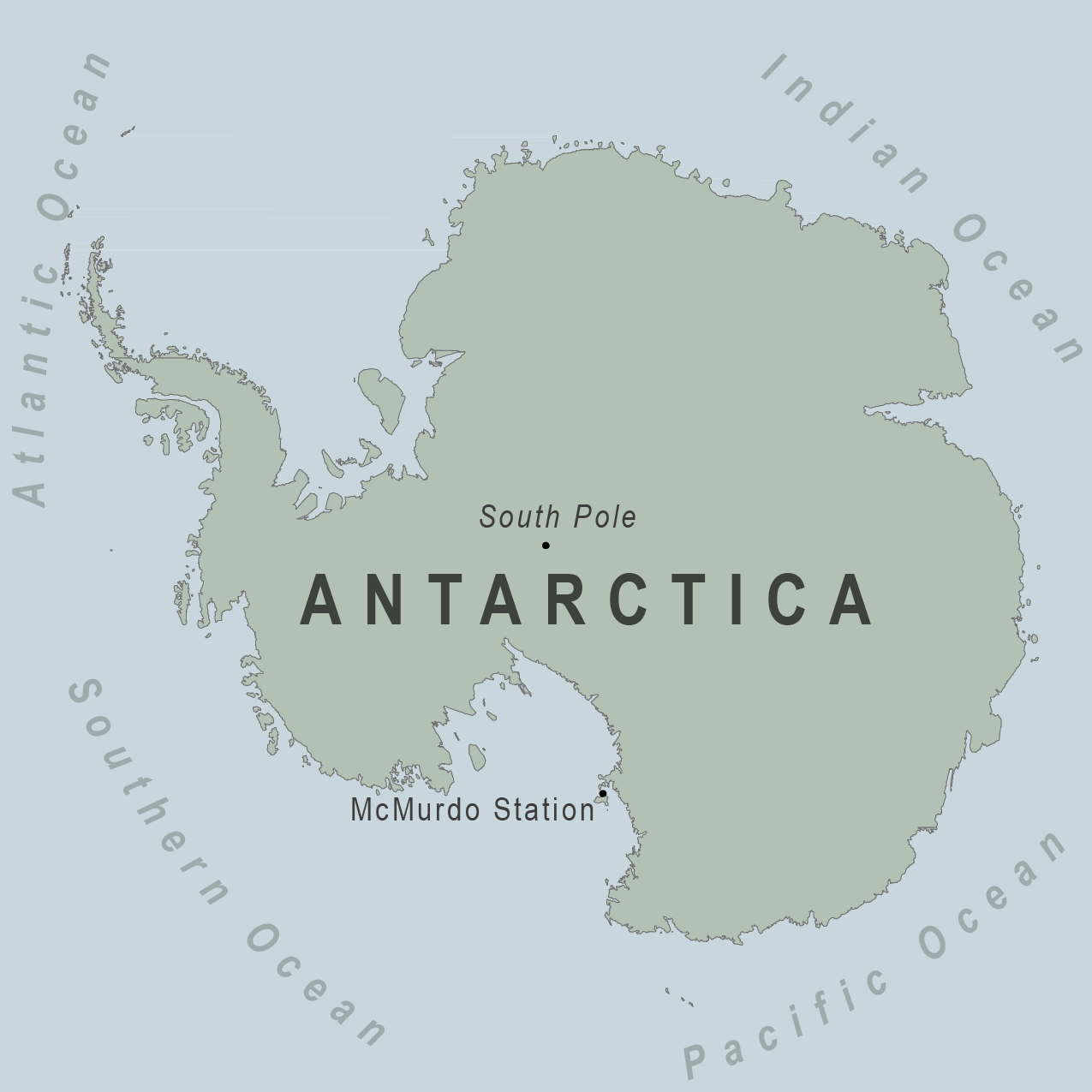
The Antarctic Peninsula climate is the most moderate of the region; higher temperatures occur in January along the coast and average slightly below freezing. Most tourist trips are around the Antarctic Peninsula. The average annual temperature at South Pole Station is -56° F, with its highest temperature reaching 0° F. During the austral summer, temperatures may reach as high as 50° F at McMurdo Station and 55° F at Palmer Station, which has a milder climate.
The effects of the sun in Antarctica (because of the sun reflecting off the snow) can be damaging to the eyes and skin, and protective measures should be taken.
The risk of influenza, measles, mumps, and other diseases easily spread from person-to-person is related to travel and living conditions. People from all over the world may travel together on tours such as on cruise ships. Close living quarters with people from many different places increases the risk of exposure to illnesses. It is important that travelers are up-to-date with routine vaccinations, including influenza vaccine.
Minor injuries, such as sprains and bruises, have been reported. These types of injuries primarily result from the slippery ice conditions of Antarctica.
The risk of food and water-borne infections is low in Antarctica.
Top of Page
After You Return Home
If you are not feeling well, you should see your doctor and mention that you have recently traveled. Also tell your doctor if you were bitten or scratched by an animal while traveling.
Important Note: This document is not a complete medical guide for travelers to this region. Consult with your doctor for specific information related to your needs and your medical history; recommendations may differ for pregnant women, young children, and persons who have chronic medical conditions.
Top of Page