Volume 32, Number 6—June 2026
Research
Identification of Novel Recombinant Human Adenovirus Genotype B117 from Pediatric Cases, China


Cite This Article
Citation for Media
Abstract
During molecular surveillance of human adenoviruses (HAdVs) in children hospitalized with acute lower respiratory tract infections in Beijing, China, during 2014–2024, the most prevalent genotypes were HAdV-B114 (53.85%) and HAdV-B7 (27.18%). A novel recombinant genotype, HAdV-B117, was identified in 2 children <5 years of age with severe community-acquired pneumonia and serious complications. Genomic analysis revealed that HAdV-B117 arose from HAdV-B114 (P7H3F3) with the fiber gene from HAdV-B7. We observed amino acid substitutions and deletions in the pivotal regions of 3 major capsid proteins, and some were predicted to alter the protein structure. In vitro, the replication kinetics of HAdV-B117 were similar to those of HAdV-B3 and HAdV-B7. Clinical manifestations resembled severe pneumonia caused by HAdV-B3 or HAdV-B7. Both children recovered after treatment. The emergence of HAdV-B117 highlights the need for continuous genomic surveillance of HAdVs to detect novel recombinants with potential public health effects.
Human adenoviruses (HAdVs) are nonenveloped, double-stranded DNA viruses of the genus Mastadenovirus, Adenoviridae family (1). To date, 116 genotypes have been recognized within 7 species (A–G) (http://hadvwg.gmu.edu). Currently, the nomenclature protocol primarily follows the system proposed by the international HAdV Working Group (2), which defines genotypes on the basis of the nucleotide sequences of the penton base, hexon, and fiber genes. HAdV-B (HAdV-3, -7, -55), HAdV-C (HAdV-1, -2, -5, -6), and HAdV-E (HAdV-4) are considered major causative agents of acute respiratory tract infections in children (3). Within species B, HAdV-B3 and HAdV-B7 are the most frequently reported etiologic agents worldwide and are associated with severe pneumonia and occasional fatalities in pediatrics (4,5). Homologous recombination, particularly within the 3 major capsid protein genes, largely contributes to HAdV-B diversity, yielding recombinant genotypes with high virulence and broad tissue tropism (6), some of which have caused severe outbreaks (e.g., HAdV-B55, HAdV-B66) (7–10).
Densely populated and highly mobile metropolises are hotspots for HAdV transmission. However, in China, the disease effects of HAdVs, including HAdV-B, remain unclear because of the absence of a specialized surveillance system (11). We conducted a molecular epidemiologic investigation of HAdVs in Beijing, China, during 2014–2024. By applying whole-genome sequencing (WGS) to HAdV isolates from children hospitalized with acute lower respiratory tract infections (LRTIs) and analyzing genomic data, a novel intertypic recombinant HAdV-B genotype was identified from 2 children <5 years of age with severe community-acquired pneumonia (CAP). According to the evaluation of the international HAdV Working Group, the virus was designated HAdV-117 (P7H3F7). The identification of the novel recombinant HAdV-B117 underscores the need for ongoing genomic surveillance to monitor emerging HAdV threats.
Patients and Clinical Data Collection
Children <18 years of age hospitalized with acute RLTI at Beijing Children’s Hospital, Capital Medical University, Beijing, China, during 2014–2024 were enrolled. Children with a disease course >7 days or whose parents or guardians did not consent were excluded. We collected clinical data from the clinical electronic medical record system.
Specimen Collection and HAdV Detection
Respiratory specimens, including sputum, throat and nasopharyngeal swab specimens, bronchoalveolar lavage fluid, and nasopharyngeal aspirates, were collected within 24 hours of admission and transported at 4°C to our laboratory. We tested all samples by using the Multiplex Respiratory Viral Panel (Diasorin, https://us.diasorin.com) for the presence of viral nucleic acids, including HAdV and other common respiratory viruses.
Virus Isolation and WGS
We inoculated HAdV-positive samples into Hep-2 or A549 cell lines for virus isolation and purified the novel genotype HAdV through 3 rounds of plaque purification in A549 cells. We sent the purified nucleic acids of the HAdV strains to Annaroad Gene Technology Co., Ltd (Beijing, China, https://www.annoroad.com) for WGS by using the Illumina sequencing platform (Illumina, https://www.illumina.com). We used reference-based assembly to construct consensus sequences. We determined the reference genomes by the traditional HAdV typing method as previously described (12). We used the HAdV-B3 prototype strain (the GB strain, GenBank accession no. AY599834) as the reference genome of the novel genotype HAdV. If >2 distinct genomic sequences >34 kb were obtained from the same strain, we considered the possibility of co-infection. We annotated complete genome sequences by using Prokka version 1.11 (https://github.com/tseemann/prokka) and submitted them to GenBank.
HAdV Typing
We extracted the penton base, hexon, and fiber gene sequences from the HAdV whole-genome sequences obtained and aligned them with sequences in GenBank by using BLAST (https://blast.ncbi.nlm.nih.gov) for preliminary typing. We retrieved the reference sequences for the 3 genes of HAdV from GenBank, excluding those with high consistency in region, time, and sequence. We performed multiple sequence alignment by using MAFFT (https://www.ebi.ac.uk/Tools/msa/mafft). We constructed phylogenetic trees by using MEGA version 7.0.26 (https://www.megasoftware.net/older_versions) with the neighbor-joining method and Kimura 2-parameter model, with a bootstrap test of 1,000 replicates to further determine the type.
Phylogenetic Analysis
We selected whole-genome sequences of prototype or representative strains of all genotypes within the same species as the candidate novel genotype from GenBank. On the basis of their annotations, we extracted the penton base, hexon, fiber, and early gene (E1–E4) gene sequences for phylogenetic analysis. We constructed the phylogenetic trees by using the maximum-likelihood method with 1,000 bootstrap replicates in MEGA version 7.0.26 after multiple sequence alignments. We considered the model with the lowest Bayesian information criterion score optimal.
Recombination Analysis
We conducted recombination analysis of the whole-genome sequences of the novel genotype by using RDP4 (https://www.h3abionet.org/categories/blog-post/tools-services/recombination-detection-program) with 7 methods (RDP, GENECONV, BootScan, MaxChi, Chimaera, SiScan, and 3Seq). We corrected the probability of each putative recombination event by using the Bonferroni procedure and set the significance threshold at p<0.05. We considered credible only recombination events supported by >3 methods. We validated the identified recombination events by using SimPlot version 3.5.1 (https://sray.med.som.jhmi.edu/SCRoftware/SimPlot) using window size 1,000, step size 200, gap stripping turned on, and Kimura 2-parameter distance correction.
Genetic Variation Analysis
We used BioEdit version 7.2.05 (http://www.mbio.ncsu.edu/BioEdit) to perform genetic variation analysis. We constructed homology models of proteins by using Python version 3.10.7 (https://www.python.org) and Swiss-Model ExPASy (https://swissmodel.expasy.org).
Ethics Considerations
This study was approved by the Institutional Ethics and Review Committees of the Beijing Children's Hospital, Capital Medical University (ethics approval nos. [2023]-E-171-Y, 2019-k-357), and conducted in accordance with Helsinki Declaration (revised in 2013). Written informed consent was obtained from all parents or legal guardians of children included.
Detection Rate of HAdV
A total of 3,875 children with acute RLTI were enrolled in this study; 310 (8%) tested positive for HAdV. Viral isolation and genotyping were successfully achieved for 195 of the HAdV-positive specimens. The identified viruses included species B (HAdV-3, -7, -14, -21, -55, -66, and -114) and C (HAdV-1, -6, -89, and -108). The most common genotype was HAdV-114 (105 isolates, 53.85%), followed by HAdV-7 (53 isolates, 27.18%), HAdV-1 (12 isolates, 6.15%), and HAdV-108 (11 isolates, 5.64%). We identified a novel HAdV-B genotype (2 isolates, 1.03%).
Clinical Manifestations of Patients with the Novel HAdV-B Genotype
The clinical characteristics of 2 cases infected with the novel HAdV-B genotype are provided (Appendix Table 1). Both patients were diagnosed with severe CAP. The first patient, a 4-year-old boy living in Beijing, China, with allergic rhinitis, was admitted to the general ward on December 19, 2019, and had high fever (40°C, reference range 36°C–37.2°C), cough, and sputum secretion. The leukocyte count was unremarkable, and C-reactive protein and erythrocyte sedimentation rate were mildly elevated. Chest radiograph and computed tomography (CT) both suggested pneumonia. Adenovirus nucleic acid was detected in throat swab specimens, plasma, and bronchoalveolar lavage fluid, and the adenovirus antigen test of respiratory secretions was positive. The patient’s complications included liver dysfunction and sinus bradycardia. Atelectasis was observed >1 month later. The patient received intravenous immunoglobulin, methylprednisolone, bronchoalveolar lavage, and antimicrobial drug therapy. The second patient was a 3-year-old girl from Hebei, China, with a patent foramen ovale. She was admitted to the respiratory ward on December 26, 2019, with a high fever (40.7°C), cough, sputum secretion, and slight tachypnea. The leukocyte count was unremarkable, and C-reactive protein, erythrocyte sedimentation rate, procalcitonin, and ferritin were increased. Chest radiograph and CT also suggested pneumonia. Adenovirus was detected in throat swab specimens, plasma, and nasopharyngeal swab specimens. Complications such as liver function damage, myocardial damage, and coagulopathy developed, and the patient received intravenous immunoglobulin, methylprednisolone, bronchoalveolar lavage, and antiviral therapy. Both patients fully recovered after treatments.
Novel HAdV Genotype Identification
We isolated 2 HAdV strains (BJ-2024-563/2019 and BJ-2024-565/2019). BLAST alignment and phylogenetic analysis of penton base, hexon, and fiber genes revealed no matches with the 116 known HAdV genotypes. WGS of each strain yielded a single contiguous sequence of >34 kb, which we annotated and deposited in GenBank (accession nos. PV092676 [BJ-2024-563/2019] and PV092675 [BJ-2024-565/2019]). Both genomes are 35,299 bp with 50.83% guanine and cytosine content, indicating classification within species HAdV-B (49%–51% guanine and cytosine content).
Phylogenetic Analysis of the Whole Genome and 3 Major Capsid Protein Genes
The whole-genome sequences of the 2 novel strains shared 99.7% nucleotide (nt) identity and 99.6% amino acid (aa) identity, with a genetic distance of 0.001. The penton base, hexon, and fiber gene sequences of the 2 strains exhibited 98.8%–99.9% nt identity and 97.5%–100% aa identity, with genetic distances ranging from 0.000–0.007. We retrieved reference sequences for the whole genome and penton base, hexon, and fiber genes of other genotypes of species HAdV-B from GenBank (Appendix Table 2).
Figure 1

Figure 1. Phylogenetic analysis of the whole genome and 3 major capsid protein genes of 2 novel strains and other species HAdV-B genotypes from a study of novel recombinant human adenovirus genotype...
Phylogenetic analysis of the whole-genome sequences confirmed that the 2 novel strains belonged to the species HAdV-B and clustered together with a bootstrap value of 100%, forming a new evolutionary branch distinct from other known HAdV-B genotypes (Figure 1, panel A). Analysis of the penton base gene showed clustering with HAdV-B114 (88% bootstrap support) within the HAdV-7 evolutionary branch, including HAdV-B7 and HAdV-B66 (Figure 1, panel B). For the hexon gene, the strains grouped with HAdV-B114 (66% bootstrap support) within the HAdV-3 evolutionary branch, including HAdV-B3 and HAdV-B68 (Figure 1, panel C). The fiber gene phylogenetic analysis revealed clustering with HAdV-B7 (99% bootstrap support) within the HAdV-7 evolutionary branch, alongside HAdV-B77 and HAdV-B78 (Figure 1, panel D). The nt and aa identity analyses revealed that the whole genome, penton base, and hexon genes of the novel strains had high similarity with those of HAdV-B114, whereas the fiber gene aligned closely with HAdV-B7 (Table). Given that HAdV-B114 is a known recombinant genotype (P7H3F3) (13) and adhering to the current HAdV naming convention on the basis of the 3 major capsid protein genes (2), the 2 strains were proposed as a novel recombinant genotype, HAdV-B117, designated P7H3F7.
Phylogenetic Analysis of Early Genes
The early gene (E1–E4) sequences of the 2 strains exhibited 99.7%–99.8% nt identity and 99.4%–99.8% aa identity, with genetic distances of 0.000–0.001. Phylogenetic trees consistently showed clustering with HAdV-B114, supported by bootstrap values of 89%–100% (Appendix Figure 1). Identity analyses confirmed that the E1–E4 genes were most similar to those of HAdV-B114 (Table). Specifically, the phylogenetic tree of E1 genes revealed that the 2 sequences clustered together with HAdV-B114, -66, -7, and -3. HAdV-B16/21/50/68, HAdV-B14/34/55/79/106, and HAdV-B35/77/78 each formed a distinct cluster (Appendix Figure 1, panel A). Phylogenetic analysis of E2 genes revealed that the 2 sequences clustered together with HAdV-B114. HAdV-B14/55/79/106 and HAdV-B11/34/35/77/78 clustered separately (Appendix Figure 1, panel B). The phylogenetic tree on the basis of E3 genes revealed that the 2 sequences clustered together with HAdV-B114 and -3. The remaining genotypes grouped into 5 clusters: HAdV-B16/21/50, HAdV-B7/66/68, HAdV-B14/55, HAdV-B77/78, and HAdV-B11/34/35/79/106 (Appendix Figure 1, panel C). The phylogenetic analysis of E4 genes revealed that the 2 sequences clustered with HAdV-B114, -7, and -66. HAdV-B21/50, HAdV-B14/55, HAdV-B11/34/35/77/78/79/106, and HAdV-B16/68 clustered together separately (Appendix Figure 1, panel D). Those findings indicate that the early gene regions of HAdV-B also harbored recombination hotspots.
Recombination Analysis
Figure 2

Figure 2. Genetic organization of novel HAdV-B117 isolate from a study of novel recombinant HAdV-B117 from 2 pediatric cases, China. HAdV, human adenovirus.
Figure 3
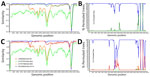
Figure 3. Recombination analysis between 2 novel strains and other species HAdV-B genotypes from a study of novel recombinant human adenovirus genotype B117 from 2 pediatric cases, China. A, B) SimPlot (A)...
Recombination analysis by using RDP4 predicted 3 recombination events for the BJ-2024-563/2019 strain and 2 for the BJ-2024-565/2019 strain (Appendix Table 3). Simplot confirmed 2 events, establishing both strains as recombinants of HAdV-B7 and HAdV-B114. The genomic backbone corresponded to the Guangzhou02 strain (HAdV-B114; GenBank accession no. DQ105654) isolated from Guangzhou, China, in 2004. Because of the high sequence identity to the Gomen strain (HAdV-B7 prototype strain; GenBank accession no. AY594255), the fiber gene of the BJ-2024–563/2019 strain likely originated from a prototype-like strain of HAdV-B7, whereas the fiber gene of the BJ-2024–565/2019 strain was more closely related to the 0901HZ/ShX/CHN/2009 strain isolated in Shaanxi, China in 2009 (HAdV-B7; GenBank accession no. JF800905) (Figures 2, 3). Those results corroborated the phylogenetic findings and supported the designation of the 2 strains as a novel recombinant genotype, HAdV-B117 (P7H3F7).
Variation Analysis in aa
Compared with the parental Guangzhou02 strain, both novel strains had 3 aa substitutions in the penton base protein: V128I, G163D, and A482T, but none in the RGD Loop region (Appendix Figure 2, panel A). Homology modeling revealed no major structural differences at these substitution sites between the Guangzhou02 strain and the novel strains. Within HAdV-B, the RGD Loop region was the most variable region of Penton base protein (Appendix Figure 2, panel A).
For hexon protein, both novel strains had 9 aa substitutions (R18Q, A99T, N155G, R156E, E197D, V239M, A289D, A454D, and H563Y), 8 aa deletions (T194, E195, G196, T265, G290, T446, D452, and D453), and 1 aa insertion (321D) relative to the Guangzhou02 strain. In addition, the BJ-2024-563/2019 strain had 4 unique substitutions (D157E, N158R, T193E, and E198N), whereas the BJ-2024-565/2019 strain had 3 (T193A, E198K, and V288A) (Appendix Figure 2, panel B). Homology models of both strains were built and superimposed with that of the Guangzhou02 strain to visualize the structural variations (Appendix Figure 2, panels C, D). The root mean square deviation for the 2 superimposed structures were both 0.029. Disparities were observed at the deletion sites in the Loop1 and Loop2 regions. However, the functional implications of those alterations warrant further study.
For the fiber protein, both novel strains exhibited identical 7 aa substitutions (T2A, V5A, D9T, T22N, S23L, Y353S, and R356T) compared with their parental strains, 2 of which (Y353S and R356T) were in the Knob region (Appendix Figure 2, panel E). Homology modeling indicated no major structural differences at those sites. Within HAdV-B, Fiber protein exhibited high variability across all regions (Appendix Figure 2, panel E).
This molecular epidemiologic investigation revealed that HAdV-B114 and HAdV-B7 were the most common genotypes of HAdVs in children hospitalized with acute LRTI in Beijing, China, during 2014–2024. However, previous studies have reported that HAdV-B3 and HAdV-B7 were the predominant genotypes among children with respiratory tract infections in northern China (14,15). Recently, a study found that a multitude of complete genome sequences from China labeled as HAdV-B3 from the past 2 decades should be considered as HAdV-B114 (P7H3F3) (16), suggesting major HAdV-B114 circulation in China over the past 2 decades. Those findings revealed that HAdV-B114 might have replaced HAdV-B3 as a dominant HAdV genotype for respiratory tract infections among children in northern China.
In this study, a novel HAdV genotype, HAdV-B117 (P7H3F7), was isolated from 2 children hospitalized with severe CAP. WGS, phylogenetic, and recombination analyses confirmed that HAdV-B117 was a novel intertypic recombinant of species HAdV-B. Its genomic backbone was derived from HAdV-B114 (P7H3F3), with the fiber gene acquired from HAdV-B7 (P7H7F7).
The 2 patients, a boy and a girl both <5 years of age, aligned with the typical age profile of HAdV susceptibility (17,18). One resided in Beijing and was admitted to the general ward on December 19, 2019; the other came from Hebei Province and entered the respiratory ward on December 26, 2019. Our findings indicate that HAdV-B117 was detected in 2 different areas in China, suggesting the potential for a new epidemic in the future. Both patients’ symptoms included high fever, cough, and sputum secretion, which were hallmarks of HAdV respiratory infections, and both patients were diagnosed with severe CAP accompanied with serious complications. The clinical manifestations resembled severe HAdV-B3 or HAdV-B7 pneumonia cases previously reported and indicate a potentially severe phenotype of HAdV-B117 infection. Increased vigilance and enhanced surveillance for HAdV-B117 are warranted. The inflammatory markers of 1 child who had a patent foramen ovale were extremely elevated, and bacterial co-infection could not be ruled out. Both children eventually recovered.
Recombination is a hallmark of HAdV evolution and a primary driver of new genotype emergence (19,20). HAdV-53–116 genotypes were intertypic recombinants (http://hadvwg.gmu.edu). HAdV-B117 also exemplified that process, integrating the fiber gene of HAdV-B7 into HAdV-B114 backbone. Because the fiber protein mediates viral attachment to host cells and the fiber gene of HAdV-B117 was from HAdV-B7, HAdV-B117 might share tropism and infectivity traits with HAdV-B7 and become a critical pathogen of acute respiratory infections.
Although HAdV-B117 was isolated from 2 patients with CAP in different regions of China, the prevalence and potential effect on public health of HAdV-B117 are not clear and need further monitoring. The hexon protein is the main antigenic protein of HAdV and induces the host immune response (21). The hexon gene of HAdV-B117 came from HAdV-B114 and the hexon gene of HAdV-B114 was from HAdV-B3. Comparative analysis revealed that the hexon protein of HAdV-B117 was highly similar to its parental strain (HAdV-B114), with nearly identical aa sequences. Therefore, HAdV-B114 and HAdV-B117 might exhibit similar antigenic characteristics as HAdV-B3, suggesting that exposure to HAdV-B3/114 might provide protective cross-immunity against HAdV-B117, which requires further experimental validation. However, previous studies have reported that receptor-binding regions in the knob region of the fiber protein could also elicit neutralizing antibodies (22,23). The fiber gene of HAdV-B117 originated from HAdV-B7 and was different from that of HAdV-B3/114, so the cross-immunity generated by HAdV-B3/114 might not be sufficient to block its transmission. Furthermore, previous studies demonstrated low levels of herd immunity against HAdV-B3 and HAdV-B7 in children from China (24,25), indicating that HAdV-B117 might cause potential epidemics in this population. Of note, mutations were also observed in the loop 1 and loop 2 regions of the hexon protein and the knob region of the fiber protein of HAdV-B117. Homology modeling revealed that aa deletions in the loop 1 and loop 2 regions of the hexon protein might alter protein structure, potentially impairing neutralizing antibody production and binding and enabling immune evasion, which merits further investigation. In addition, the replication dynamics of HAdV-B117 resembled those of currently prevalent HAdV-B genotypes, including HAdV-B3, HAdV-B7, HAdV-B14, and HAdV-B55 (data not shown), which were associated with severe infections and outbreaks (26,27). Those findings indicate that HAdV-B117 has the potential to cause epidemic outbreaks of respiratory disease and further monitoring is needed.
HAdV-B7 was generally considered to have higher replication, virulence, and infectivity than HAdV-B3 (4,28). Whole-genome comparative analysis revealed that the primary differences between HAdV-B3 and HAdV-B7 were in the fiber protein (29,30). A previous study (31) found that the higher binding affinities of fiber protein’s knob region to cellular receptors resulted in greater infectivity and virulence of HAdV-B7 and HAdV-B55 than those of HAdV-B3, thereby increasing their pathogenicity. HAdV-B117 acquired the fiber gene from HAdV-B7 through recombination; therefore, further monitoring of the virulence, infectivity, and pathogenicity of HAdV-B117 is needed.
In conclusion, this study identified a novel recombinant genotype within species HAdV-B, HAdV-B117 (P7H3F7), isolated from 2 pediatric cases of severe respiratory illness. In vitro, the replication kinetics of HAdV-B117 were similar to those of HAdV-B3 and HAdV-B7. Future research on its biological characteristics and epidemiology is needed. The emergence of this novel recombinant highlights the need for continuous genomic surveillance of HAdV.
Ms. Wang is a doctoral candidate at the Laboratory of Infection and Virology of Beijing Children’s Hospital, Capital Medical University, specializing in pediatrics. Her research interests include the clinical, molecular epidemiology, and genetic characteristics of human adenoviruses, aiming to provided reference for the monitoring, prevention and control of human adenoviruses, and the research and development of vaccines and drugs.
Acknowledgments
The authors thank the researchers who have conducted and individuals who have participated in this and related studies.
All data generated or analyzed during this study are included in this published article (and its supplemental files). The sequences generated in this study were submitted to GenBank (accession nos. PV092675 and PV092676). The raw data were deposited in the National Centre for Biotechnology Information Sequence Read Archive (https://www.ncbi.nlm.nih.gov/sra; BioProject accession no. PRJNA1344832).
This work was supported by National Key Research and Development Program of China (award no. 2023YFC2306001), National Natural Science Foundation of China (award no. 32470141), Beijing Municipal Administration of Hospitals Incubating Program (award no. PX2024043), Beijing Research Centre for Respiratory Infectious Diseases Project (award no. BJRID2025-008), the Chinese Academy of Medical Sciences Innovation Fund for Medical Sciences (award no. 2022-I2M-CoV19-006), Funding for Reform and Development of Beijing Municipal Health Commission, and CAMS Innovation Fund for Medical Sciences (award no. 2019-I2M-5-026).
References
- Davison AJ, Benkő M, Harrach B. Genetic content and evolution of adenoviruses. J Gen Virol. 2003;84:2895–908. DOIPubMedGoogle Scholar
- Seto D, Chodosh J, Brister JR, Jones MS; Members of the Adenovirus Research Community. Using the whole-genome sequence to characterize and name human adenoviruses. J Virol. 2011;85:5701–2. DOIPubMedGoogle Scholar
- Khanal S, Ghimire P, Dhamoon AS. The repertoire of adenovirus in human disease: the innocuous to the deadly. Biomedicines. 2018;6:30. DOIPubMedGoogle Scholar
- Liu W, Qiu S, Zhang L, Wu H, Tian X, Li X, et al. Analysis of severe human adenovirus infection outbreak in Guangdong Province, southern China in 2019. Virol Sin. 2022;37:331–40. DOIPubMedGoogle Scholar
- Marcone DN, Culasso ACA, Reyes N, Kajon A, Viale D, Campos RH, et al. Genotypes and phylogenetic analysis of adenovirus in children with respiratory infection in Buenos Aires, Argentina (2000–2018). PLoS One. 2021;16:
e0248191 . DOIPubMedGoogle Scholar - Robinson CM, Singh G, Lee JY, Dehghan S, Rajaiya J, Liu EB, et al. Molecular evolution of human adenoviruses. Sci Rep. 2013;3:1812. DOIPubMedGoogle Scholar
- Zhu Z, Zhang Y, Xu S, Yu P, Tian X, Wang L, et al. Outbreak of acute respiratory disease in China caused by B2 species of adenovirus type 11. J Clin Microbiol. 2009;47:697–703. DOIPubMedGoogle Scholar
- Walsh MP, Seto J, Jones MS, Chodosh J, Xu W, Seto D. Computational analysis identifies human adenovirus type 55 as a reemergent acute respiratory disease pathogen. J Clin Microbiol. 2010;48:991–3. DOIPubMedGoogle Scholar
- Niel C, Moraes MT, Mistchenko AS, Leite JP, Gomes SA. Restriction site mapping of four genome types of adenovirus types 3 and 7 isolated in South America. J Med Virol. 1991;33:123–7. DOIPubMedGoogle Scholar
- Murtagh P, Cerqueiro C, Halac A, Avila M, Kajon A. Adenovirus type 7h respiratory infections: a report of 29 cases of acute lower respiratory disease. Acta Paediatr. 1993;82:557–61. DOIPubMedGoogle Scholar
- Mao N, Zhu Z, Rivailler P, Yang J, Li Q, Han G, et al. Multiple divergent human mastadenovirus C co-circulating in mainland of China. Infect Genet Evol. 2019;76:
104035 . DOIPubMedGoogle Scholar - Wang JJ, Duan YL, Ai J, Zhu Y, Wang R, Chen XP, et al. Epidemiological characteristics of acute lower respiratory tract infection with human adenovirus among children in China from 2017 to 2020. [in Chinese]. Chi J Prev Med. 2024;25:283–8. DOIGoogle Scholar
- Kolb AW, Chau VQ, Miller DL, Yannuzzi NA, Brandt CR. Phylogenetic and recombination analysis of clinical vitreous humor-derived adenovirus isolates reveals discordance between serotype and phylogeny. Invest Ophthalmol Vis Sci. 2024;65:12. DOIPubMedGoogle Scholar
- Wang F, De R, Han Z, Xu Y, Zhu R, Sun Y, et al. High-frequency recombination of human adenovirus in children with acute respiratory tract infections in Beijing, China. Viruses. 2024;16:828. DOIPubMedGoogle Scholar
- Huang Y, Wang C, Ma F, Guo Q, Yao L, Chen A, et al. Human adenoviruses in paediatric patients with respiratory tract infections in Beijing, China. Virol J. 2021;18:191. DOIPubMedGoogle Scholar
- Ganzenmueller T, Wolf M, Wolfram L, Gkioule C, Steinbrück L, Heim A. An epidemic of respiratory and ocular infections caused by the reemergence of a recombinant human adenovirus, the novel type HAdV-B114 (P7H3F3). J Med Virol. 2025;97:
e70464 . DOIPubMedGoogle Scholar - Wang S, Zou X, Fu J, Deng F, Yu H, Fan H, et al. Genotypes and phylogenetic analysis of human adenovirus in hospitalized pneumonia and influenza-like illness patients in Jiangsu Province, China (2013–2021). Infect Drug Resist. 2024;17:2199–211. DOIPubMedGoogle Scholar
- Calzado-Dacasin C, Foronda JL, Arguelles VL, Daga CM, Quimpo MT, Lupisan S, et al. Serotype identification of human adenoviruses associated with influenza-like illnesses in the Philippines from 2006–2012 by microneutralization and molecular techniques. Int J Infect Dis. 2022;117:326–33. DOIPubMedGoogle Scholar
- Walsh MP, Chintakuntlawar A, Robinson CM, Madisch I, Harrach B, Hudson NR, et al. Evidence of molecular evolution driven by recombination events influencing tropism in a novel human adenovirus that causes epidemic keratoconjunctivitis. PLoS One. 2009;4:
e5635 . DOIPubMedGoogle Scholar - MacNeil KM, Dodge MJ, Evans AM, Tessier TM, Weinberg JB, Mymryk JS. Adenoviruses in medicine: innocuous pathogen, predator, or partner. Trends Mol Med. 2023;29:4–19. DOIPubMedGoogle Scholar
- Tian X, Su X, Li H, Li X, Zhou Z, Liu W, et al. Construction and characterization of human adenovirus serotype 3 packaged by serotype 7 hexon. Virus Res. 2011;160:214–20. DOIPubMedGoogle Scholar
- Liebermann H, Mentel R, Döhner L, Modrow S, Seidel W. Inhibition of cell adhesion to the virus by synthetic peptides of fiber knob of human adenovirus serotypes 2 and 3 and virus neutralization by anti-peptide antibodies. Virus Res. 1996;45:111–22. DOIPubMedGoogle Scholar
- Liu Z, Xian Y, Lan J, Zhou Z, Li X, Zhou R, et al. Human adenovirus species B knob proteins as immunogens for inducing cross-neutralizing antibody responses. MSphere. 2025;10:
e0064424 . DOIPubMedGoogle Scholar - Tian X, Fan Y, Wang C, Liu Z, Liu W, Xu Y, et al. Seroprevalence of neutralizing antibodies against six human adenovirus types indicates the low level of herd immunity in young children from Guangzhou, China. Virol Sin. 2021;36:373–81. DOIPubMedGoogle Scholar
- Hong L, Li J, Zeng W, Li Y, Yu C, Zhao S, et al. The seroprevalence of adenoviruses since 2000. Emerg Microbes Infect. 2025;14:
2475831 . DOIPubMedGoogle Scholar - Lin GL, Lu CY, Chen JM, Lee PI, Ho SY, Weng KC, et al. Molecular epidemiology and clinical features of adenovirus infection in Taiwanese children, 2014. J Microbiol Immunol Infect. 2019;52:215–24. DOIPubMedGoogle Scholar
- Liu MC, Xu Q, Li TT, Wang T, Jiang BG, Lv CL, et al. Prevalence of human infection with respiratory adenovirus in China: a systematic review and meta-analysis. PLoS Negl Trop Dis. 2023;17:
e0011151 . DOIPubMedGoogle Scholar - Fu Y, Tang Z, Ye Z, Mo S, Tian X, Ni K, et al. Human adenovirus type 7 infection causes a more severe disease than type 3. BMC Infect Dis. 2019;19:36. DOIPubMedGoogle Scholar
- Marttila M, Persson D, Gustafsson D, Liszewski MK, Atkinson JP, Wadell G, et al. CD46 is a cellular receptor for all species B adenoviruses except types 3 and 7. J Virol. 2005;79:14429–36. DOIPubMedGoogle Scholar
- Hograindleur MA, Effantin G, Fenel D, Mas C, Lieber A, Schoehn G, et al. Binding mechanism elucidation of the acute respiratory disease causing agent adenovirus of serotype 7 to desmoglein-2. Viruses. 2020;12:1075. DOIPubMedGoogle Scholar
- Zhang Q, Zhou Z, Fan Y, Liu T, Guo Y, Li X, et al. Higher affinities of fibers with cell receptors increase the infection capacity and virulence of human adenovirus type 7 and type 55 compared to type 3. Microbiol Spectr. 2024;12:
e0109023 . DOIPubMedGoogle Scholar
Figures
Table
Cite This ArticleOriginal Publication Date: May 26, 2026
1These first authors contributed equally to this article.
2These senior authors contributed equally to this article.
Table of Contents – Volume 32, Number 6—June 2026
| EID Search Options |
|---|
 Advanced Article Search – Search articles by author and/or keyword.
|
 Articles by Country Search – Search articles by the topic country.
|
 Article Type Search – Search articles by article type and issue.
|
Please use the form below to submit correspondence to the authors or contact them at the following address:
Zhengde Xie, Beijing Children’s Hospital, No. 56 Nanlishi Road, Xicheng District, Beijing 100045, China
Top