Volume 32, Number 9—September 2026
Research
Dual PCR–Sanger Sequencing Assay for Simultaneous sqle-Based Identification and Resistance Detection in Trichophyton Species

 , Karin M. Jørgensen, Karen Marie Thyssen Astvad, and Maiken Cavling Arendrup
Cite This Article
Citation for Media
Abstract
Trichophyton fungal infections are common and increasingly complicated by terbinafine resistance. To support accurate molecular identification and resistance profiling, we provide a validated dataset of full-length squalene epoxidase (sqle) gene sequences from 493 Trichophyton isolates representing 18 species, addressing limited availability and misannotation of sqle sequences in public databases, particularly within the T. mentagrophytes complex. On the basis of that dataset, we designed 2 Sanger sequencing assays for simultaneously identifying species and detecting resistance-associated mutations. One targets the full-length gene, whereas the other amplifies a short region capturing all key resistance hotspots and species-specific single-nucleotide polymorphisms. The partial assay was evaluated on 66 clinical specimens and enabled clinically relevant species identification without internal transcribed spacer sequencing, supporting culture-independent detection. Of note, this approach differentiates T. indotineae from closely related species, overcoming a key diagnostic limitation and supporting clinical decision-making, surveillance, and management of resistant infections, despite limited resolution within certain species complexes.
Trichophyton species fungi cause infections of the skin, nails, and hair and are estimated to affect 20%–25% of persons during their lifetimes (1). Clinical manifestations include pruritus, erythema, scaling, alopecia, and inflammation (2). Although infections are often considered minor, chronic or extensive dermatophytosis can cause considerable illness, involving prolonged treatment, increased healthcare use, and impaired quality of life (3). The recent rising prevalence of terbinafine-resistant Trichophyton strains is associated with therapeutic failure, underscoring the need for rapid and reliable diagnostics to detect resistance, guide therapy, and thereby limit transmission (4–6).
Traditional culture-based diagnostics are slow and exhibit suboptimal sensitivity, especially in onychomycosis or after antifungal therapy (7). Molecular assays targeting the internal transcribed spacer (ITS) region of ribosomal DNA are widely adopted because of its high copy number and potential for improved identification (8). However, limited sequence variation in this region hinders reliable discrimination among closely related Trichophyton species, particularly within the T. mentagrophytes complex (9,10). Of note, T. indotineae, an emerging and often terbinafine-resistant species within this complex, might be misidentified by certain ITS-based diagnostic kits and commercial platforms such as DermaGenius 2.0 (PathoNostics, https://www.pathonostics.com) (11–16). Those challenges are further compounded by recent taxonomic revisions and inconsistencies in available reference databases (9,12).
The sqle gene (alternatively, erg1) encodes squalene epoxidase (SQLE), the molecular target of terbinafine. Mutations at conserved hotspot positions (e.g., L393, F397, F415, and H440) reduce drug binding while preserving enzymatic function, thereby conferring terbinafine resistance (17). Recent studies from India, Europe, and North America document the global increase of resistant SQLE variants, particularly in T. indotineae and T. rubrum (18–21). However, the absence of robust, curated, and taxonomically validated sqle reference sequences limits the diagnostic and surveillance utility of this gene.
In this study, we generated a curated, taxonomically validated dataset of full-length sqle sequences, supported by reliable ITS-based identification, to address limitations in existing databases. We also present a sequencing-based workflow enabling simultaneous species identification and detection of terbinafine resistance-conferring sqle mutations in Trichophyton directly from clinical specimens or isolates.
Strains and Clinical Samples
We included a total of 493 clinical Trichophyton isolates (Table 1; Appendix Table 1), collected during 2022–2025 and representing 18 species. We confirmed species identification by ITS sequencing, showing 100% identity to reference sequences (4,16,22) (Appendix Table 2). T. schoenleinii was unavailable in culture but was included on the basis of its sqle sequence, which we retrieved from GenBank (accession no. GCA_018357685.2). We used the sqle sequence for Microsporum canis as an outgroup for phylogenetic rooting, following the procedures described in the CLC Genomics Workbench manual 24.0.4 (QIAGEN,https://www.qiagen.com). In addition, we included 66 clinical specimens (skin scrapings, nail clippings, scalp, and hair) that previously tested positive for Trichophyton spp. using an in-house ITS-based PCR (23) that does not distinguish among T. mentagrophytes, T. interdigitale, and T. indotineae.
DNA Extraction
For fungal isolates, we suspended colonies in 400 µL of NUCLISENS Lysis Buffer (bioMérieux, https://www.biomerieux.com), of which we used 200 µL for DNA extraction on the automated eMAG system (bioMérieux) according to protocol B, which includes automated nucleic acid purification to reduce the presence of potential PCR inhibitors. We eluted DNA in 100 µL of NUCLISENS Extraction Buffer 3 (bioMérieux). We incubated clinical samples overnight at 56 °C in 1,000 µL NUCLISENS Lysis Buffer with 50 µL proteinase K (QIAGEN). Subsequently, we added 100 µL of 1 M dithiothreitol (DTT) (Sigma-Aldrich) and incubated samples for 30 minutes before centrifugation at 22,000 × g for 5 minutes. We then subjected 1,000 µL of clarified supernatant to extraction on the eMAG system according to protocol B and eluted it in 50 µL of NUCLISENS Extraction Buffer 3. Each run included a negative extraction control. We stored extracted DNA at −20 °C until further analysis.
Antifungal Susceptibility Testing
We determined MICs in RPMI 1640 medium according to the EUCAST E.Def 11.0 reference method (24). We prepared terbinafine (final concentration after inoculation 0.004–4 mg/L) from frozen stock solutions. We adopted EUCAST tentative epidemiologic cutoff values (TECOFFs) of terbinafine as 0.125 mg/L for T. indotineae and 0.03 mg/L for T. rubrum for classification as wild-type or non–wild-type (25).
Amplification and Sequencing of sqle
Two PCR strategies enabled species identification and detection of resistance-associated mutations: full-length sqle amplification and sequencing for cultured isolates and partial sqle amplification for clinical specimens. All primers were Trichophyton-specific. Each run included a positive fungal DNA control and a no-template control. PCR product purification and sequencing were performed by Macrogen Europe BV (https://www.macrogen-europe.com).
Full-Length sqle
We performed amplification using primers TRI-SE-F (5′-GGTGACAGCGACAAGTGCC-3′) and TRI-SE-R (5′-AGTCCAACCRACCCCAGTCA-3′; R = A/G). PCR reactions (25 µL) contained 2 µL genomic DNA, 0.4 µM of each primer, 12.5 µL Extract-N-Amp PCR ReadyMix (Sigma-Aldrich, https://www.sigmaaldrich.com), and 8.5 µL UltraPure DNase/RNase-free water (Thermo Fisher Scientific, https://www.thermofisher.com). Cycling conditions were 95°C for 30 seconds, followed by 35 cycles of 95°C for 30 seconds, 57°C for 45 seconds, and 72°C for 90 seconds. We performed bidirectional sequencing using the amplification primers and internal primers TRI-SE-S1 (5′-GGAATATCTCCCCATACAACCAG-3′) and TRI-SE-S2 (5′-AACGCAGCTTCAAAYGAGGG-3′; Y = C/T).
Partial sqle
We amplified a 388-bp fragment spanning positions 1125–1512 of the full-length sqle sequence and encompassing clinically relevant terbinafine resistance–associated mutations, as well as species-specific single-nucleotide polymorphisms (SNPs) for species-level identification, using primers F0 (5′-CCACTGGCAACGGAAGTC-3′) and R0 (5′-ATACGAAAGGAAGGATGACCC-3′). PCR reactions (25 µL) contained 5 µL template DNA, 0.4 µM of each primer, 12.5 µL Extract-N-Amp PCR ReadyMix (Sigma-Aldrich), and 5.5 µL UltraPure DNase/RNase-free water. Cycling conditions were 95°C for 30 seconds, followed by 35 cycles of 95°C for 30 seconds, 58°C for 45 seconds, and 72°C for 90 seconds. We performed sequencing using the amplification primers.
Sequence Analysis and Phylogenetics
We quality-checked, trimmed, and assembled raw reads; we aligned full-length sequences using CLC Main Workbench (QIAGEN). Species and genotype assignments were based on sequence alignment and comparison of informative species- and genotype-specific SNP profiles within the analyzed region. We identified terbinafine resistance–associated mutations by evaluation of nucleotide substitutions at previously described SQLE resistance hotspots. We calculated pairwise SNP differences and reconstructed phylogenetic relationships using the neighbor-joining algorithm with the Kimura 2-parameter (K2P/K80) model. We evaluated node support by 1,000 bootstrap replicates.
Complete Intraspecies Conservation in Wild-Type Isolates
We obtained full-length sqle sequences for 493 terbinafine wild-type and non–wild-type isolates (Table 1; Appendix Table 1) representing phylogenetically and epidemiologically relevant taxa and aligned them within each taxon to assess intraspecific conservation. We identified high-frequency wild-type sqle alleles in 244 terbinafine-susceptible isolates, including T. rubrum (143/285), T. interdigitale (21/26), and T. indotineae (3/105), all showing complete sequence conservation within each species. The same pattern was also observed for all ITS genotypes of T. mentagrophytes (n = 19), T. violaceum (n = 24), T. benhamiae (n = 10), T. tonsurans (n = 16), and other less common Trichophyton species.
Only sqle sequences from isolates with wild-type MICs and no SQLE amino acid alterations were included in the curated reference dataset. A strict wild-type consensus was defined for each taxon. Those sequences have been deposited in GenBank (accession nos. PZ614143–PZ614159 and PX205352) and, together with the sqle sequence of T. schoenleinii, constitute the final reference dataset (Appendix Table 2).
We analyzed the spectrum of SQLE amino acid alterations and corresponding MICs in the remaining isolates. We observed low-frequency variants (A448T, A448V, Y110C, C476Y, and I121M) sporadically (n = 12); those variants were confined to T. rubrum and T. indotineae isolates with MICs within the species-specific wild-type range. The Y414H substitution was detected in 2 T. rubrum isolates with MICs around the TECOFF. Those variants were not considered part of the predominant wild-type allele population. The remaining 235 isolates harbored missense mutations affecting hotspot amino acid residues within the catalytic domain of SQLE and were associated with elevated terbinafine MICs (Table 1; Appendix Table 1).
Species-Level Discrimination of Trichophyton Using Full-Length sqle Sequencing
Figure 1
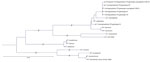
Figure 1. Phylogenetic tree of Trichophyton species inferred from sequence variation in the full-length squalene epoxidase (sqle) gene in study of dual PCR–Sanger sequencing assay for simultaneous ...
Pairwise comparisons of full-length sqle consensus sequences revealed substantial interspecies SNP variation across Trichophyton, enabling discrimination at multiple taxonomic levels (Appendix Table 3, Figure 1). Polymorphisms were distributed throughout the gene, with species-specific and genotype-specific patterns capturing both interspecies and intracomplex diversity. SNP differences ranged from complete sequence identity (0 SNPs) among closely related taxa to 92 SNPs within Trichophyton and 341–351 SNPs relative to the outgroup M. canis. Phylogenetic analyses showed clear separation between species and major clades (Figure 1).
The T. rubrum complex was distinct from the T. mentagrophytes complex and other species (≈65–75 SNPs). Of note, T. indotineae, within the T. mentagrophytes complex, differed from the T. rubrum complex by 65–66 SNPs distributed across the full-length sqle gene, including 6 resulting in amino acid substitutions. Within the T. rubrum complex, divergence was minimal: T. rubrum and T. soudanense shared identical sequences, whereas T. violaceum differed by 2 SNPs (positions 186 and 522), the latter resulting in a nonsynonymous substitution. T. tonsurans and T. equinum formed a closely related pair, differing by only 2 SNPs (positions 117 and 1256), but diverged from T. indotineae by 7 SNPs, from the T. mentagrophytes complex by 8–12 SNPs, and from T. interdigitale by 13 SNPs.
More distantly related species showed >60 SNP differences relative to both the T. mentagrophytes and T. rubrum complexes and were individually clearly separable. T. simii and T. schoenleinii differed by 24 SNPs, 4 of which were nonsynonymous. Within the T. benhamiae complex, sequence diversity was notable. T. concentricum, the only strictly anthropophilic species within the complex (26), differed from T. benhamiae by a single SNP, whereas T. europaeum differed by 10 SNPs and T. erinacei differed by 42 SNPs.
Within closely related taxa of the T. mentagrophytes complex, SNP differences were lower but remained structured. T. interdigitale showed the greatest divergence, differing from T. indotineae by 6 synonymous SNPs (positions 169, 642, 882, 1251, 1457, and 1460) and from other genotypes by 8 to 9 SNPs, comprising both synonymous and nonsynonymous changes.
Similarly, T. indotineae differed from other genotypes within the T. mentagrophytes complex by 3–5 SNPs, reflecting a structured pattern of variation. It differed from unassigned lineage II and genotype III* by 5 SNPs (3 synonymous: 717, 996, 1251; 2 nonsynonymous: 828, 1317), whereas divergence from unassigned lineage I and genotypes III and VII was limited to 4 SNPs at the same loci; position 717 was conserved across those groups. The closest relationship was observed with genotype IV, from which T. indotineae differed by only 3 synonymous SNPs (positions 246, 813, 1391).
Within the T. mentagrophytes complex, unassigned lineage I and genotypes III and VII shared identical sqle sequences. Those showed limited variation relative to unassigned lineage II, genotype III*, and genotype IV. Genotype IV was the most divergent, differing by 7–8 SNPs from the other genotypes. In contrast, genotype III* and unassigned lineage II each differed from the identical group by a single synonymous SNP at position 717 for genotype III* and position 1422 for unassigned lineage II. Although the number of SNP differences among closely related members of the T. mentagrophytes complex was limited, distinct SNP profiles enabled discrimination of T. indotineae, T. interdigitale, and the investigated lineages/genotypes (Appendix Table 4).
Lineage-Specific Variation Within the T. mentagrophytes Complex
Figure 2
![Amino acid polymorphisms in squalene epoxidase within the T. mentagrophytes complex in the study of dual PCR-Sanger sequencing assay for simultaneous sqle-based identification and resistance detection in Trichophyton species. Alignment of SQLE amino acid sequences showing lineage-specific patterns: N276/F419 (ITS genotypes III/III*/VII and unassigned genotypes [DK-I–II]), P454 unique to DK-II, and K276/L419 in ITS genotype IV (shared with T. interdigitale and T. indotineae).](/eid/images/26-0819-F2-tn.jpg)
Figure 2. Amino acid polymorphisms in squalene epoxidase within the T. mentagrophytes complex in the study of dual PCR-Sanger sequencing assay for simultaneous sqle-based identification and resistance detection...
Comparative analysis of full-length 489-aa sequences within the T. mentagrophytes complex revealed distinct lineage-associated patterns without effects on the susceptibility (MICs 0.008–0.06 mg/L) (Figure 2). A group of isolates consistently harbored N276 and F419, including 13 isolates assigned to ITS genotypes III (n = 2), III* (n = 9), and VII (n = 2), and 5 unassigned isolates (unassigned lineage I, n = 1; unassigned lineage II, n = 4). In addition to the characteristic N276 and F419 residues, all unassigned lineage II isolates harbored a unique alteration at position P454, in contrast with an alteration at position T454 in all other genotypes and species across the genus. In contrast, the T. mentagrophytes ITS genotype IV isolate differed from other genotypes in displaying K276 and L419, a pattern shared with T. interdigitale and T. indotineae.
Species Identification Using 388-bp sqle Fragment Sequencing
Figure 3
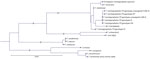
Figure 3. Phylogenetic tree of Trichophyton species inferred from sequence differences in the partial 388-bp squalene epoxidase (sqle) gene fragment in study of dual PCR–Sanger sequencing assay for...
A second primer set was designed to amplify a 388 bp fragment of the sqle gene (≈1531–1534 bp from start to stop codon, depending on species) spanning amino acid residues H376 to V483 within the catalytic domain and including known terbinafine-resistance hotspots (27). Despite its short length, this segment exhibited sufficient interspecies SNP variation to enable discrimination of most Trichophyton species and to support resistance detection (Appendix Table 5, Figure 2). Phylogenetic reconstruction supported its discriminatory capacity, yielding well-supported clades corresponding to major species complexes (Figure 3). The T. mentagrophytes ITS genotypes were clearly delineated from T. indotineae and T. interdigitale, which were also resolved from each other. The T. rubrum complex (T. rubrum, T. violaceum, and T. soudanense) formed a coherent cluster, although species-level resolution was not achieved. Within the T. benhamiae clade, T. erinacei was clearly differentiated (14 SNPs), whereas T. europaeum, T. benhamiae, and T. concentricum clustered together. Finally, T. schoenleinii and T. simii formed an independent lineage.
Clinical Validation of the Partial sqle PCR
We applied the partial sqle PCR directly to DNA from 66 clinical specimens (skin, hair, and nails) previously positive for Trichophyton spp. using an in-house ITS-based PCR unable to distinguish among T. mentagrophytes, T. interdigitale and T. indotineae. All samples produced amplicons of the expected size, enabling sequencing-based species identification as well as detection of resistance-associated mutations (Table 2).
The 28 samples previously identified as T. mentagrophytes complex were unambiguously resolved by sqle sequencing as T. interdigitale (n = 16), T. indotineae (n = 11), and T. mentagrophytes (n = 1). All T. interdigitale samples were wild-type, whereas 10 of 11 T. indotineae samples harbored >1 nonsynonymous alterations, including known terbinafine resistance–associated substitutions: Q408L (n = 4), F397L (n = 3), and F397L/A448T (n = 1). In addition, 24 samples from the T. rubrum complex were confirmed, of which 19 were wild-type and 5 harbored nonsynonymous substitutions (L393S, n = 1; F397L, n = 2; F415S, n = 1; L427M, n = 1).
We confirmed 4 scalp and skin samples initially identified as T. tonsurans/T. equinum as T. tonsurans, all with wild-type sqle sequences. Two hair and scalp specimens previously identified as T. violaceum and 4 additional scalp specimens previously identified only at the genus level were assigned to the T. rubrum complex, all without resistance-associated sqle mutations. Four hair and skin scraping specimens initially assigned to the T. benhamiae complex were resolved as T. benhamiae sensu stricto, all with wild-type sequences and distinct from T. erinacei.
Early and accurate identification and susceptibility classification of Trichophyton isolates are essential for clinical management, source tracing, and epidemiologic surveillance, particularly in the context of terbinafine resistance, highly transmissible anthropophilic lineages, and increased person-to-person transmission, including sexual transmission (28–33). Morphological differentiation remains challenging because of phenotypic variability and overlap between species (34–36). Historically, species within the T. mentagrophytes complex were grouped broadly, contributing to taxonomic ambiguity. Although molecular approaches improved resolution, taxonomic confusion remained. For example, isolates within the T. mentagrophytes/interdigitale complex were often assigned to T. interdigitale (36), and species from the T. benhamiae complex, including T. erinacei, were misclassified at T. mentagrophytes complex (26). The 2017 taxonomy revision by de Hoog et al. (34) provided a more structured framework, yet genetic resolution remains challenging. ITS sequencing often lacks discriminatory power within closely related taxa, including the T. mentagrophytes and T. rubrum complexes, where limited variation does not reflect clinical or epidemiologic diversity (37,38). That shortfall is particularly relevant for T. indotineae (formerly T. mentagrophytes type VIII), now recognized as a distinct species of clinical importance (9,36,37), and for type VII, an emerging anthropophilic genotype associated with genital lesions among men who have sex with men (30,33).
BLAST-based identification is further limited by inconsistent database annotation, lack of standardized genotype classification, and ongoing taxonomic revisions. Consequently, identical ITS sequences might yield multiple high-scoring (even 100%) matches across closely related species, requiring manual curation and preventing reliable species-level identification. Those issues, combined with outdated database entries and limited ITS variability, reduce the utility of ITS-based diagnostics and highlight the need for curated reference databases and complementary genetic markers.
Alternative genetic targets, including translation elongation factor 1-α, β-tubulin, calmodulin, 28S rDNA and mating-type genes, offer improved resolution (39–42). However, their routine use is limited by less universal primers, the need for species-specific or optimised PCR protocols, limited reference data, and the increased complexity and cost of multilocus sequencing, limiting their applicability in routine diagnostics.
Against this background, we investigated sqle as a combined marker for Trichophyton identification and terbinafine-resistance detection. Successful amplification and sequencing across all strains generated a robust reference dataset and demonstrated broad primer applicability. Complete intraspecies conservation supports strong functional constraint, whereas interspecies variation enables discrimination of closely related taxa. Phylogenetically, the T. rubrum and T. benhamiae complexes were clearly distinct from each other and from the T. mentagrophytes complex.
Of note, the full-length sqle gene enables reliable discrimination of T. indotineae and T. interdigitale from other members of the T. mentagrophytes complex, including genotype IV. That distinction is clinically critical, because both are anthropophilic rather than zoophilic, and T. indotineae is frequently terbinafine-resistant and associated with more persistent and outbreak-prone infections. The remaining isolates within T. mentagrophytes complex belonged to established genotypes (III, III*, IV, and VII), which are largely associated with distributions in Europe (43). Genotype IV showed greater divergence (7–9 SNPs) but remained closest to T. indotineae (3 SNPs). Five isolates formed 2 ITS consensus sequences (DK-I and DK-II) that could not be assigned to any currently reported ITS genotypes; the closest database matches showed only 99.5%–99.6% sequence identity. In contrast, 3 ITS genotypes (DK-I, III, and VII) shared identical sqle gene sequences and differed minimally from others, indicating that additional markers such as ITS are required if fine-scale resolution within this complex is required. Additional sqle diversity might exist in unrepresented genotypes. The genetic findings were further reflected at the amino acid level: genotype IV shared K276 and L419 with T. indotineae and T. interdigitale, whereas other genotypes consistently carried N276 and F419. Reports of N276 alone might therefore reflect incomplete sqle reference sequences lacking the region encompassing position 419 (44). The DK-II isolates harbored a unique P454 substitution (threonine to proline) not observed in other Trichophyton species, suggesting additional lineage-level variation, although confirmation requires larger datasets. Of note, lineage-specific polymorphisms such as N276 and F419 have often been reported as the K276N/L419F substitution because of inappropriate sqle reference sequences. On the basis of our findings, those variants should be considered wild-type and intrinsic to certain T. mentagrophytes genotypes; reported MIC variation more likely reflects methodological differences or genotype-specific susceptibility rather than acquired resistance (18,45,46).
Within the T. rubrum complex, T. rubrum and T. violaceum could be distinguished, whereas T. soudanense shared identical sqle sequences with T. rubrum, indicating that sqle alone is insufficient for discrimination and requires complementary ITS sequencing. That limitation also applies to ITS, because species within the T. rubrum complex, including T. violaceum and T. soudanense, also show minimal genetic variation despite being epidemiologically and phenotypically distinct. In contrast, the T. benhamiae complex showed greater genetic heterogeneity with sqle, providing improved resolution compared with ITS, particularly among T. benhamiae, T. europaeum, and T. erinacei.
Our analysis confirmed that terbinafine non–wild-type Trichophyton isolates harbor nonsynonymous sqle mutations within the catalytic domain, clustering at residues critical for terbinafine binding (27). Resistance in absence of sqle mutations appeared rare; only a single T. rubrum isolate had an MIC marginally above the TECOFF, which might reflect technical variation associated with MIC testing. All resistant isolates contained >1 alteration within the L393–L451 region.
Targeted amplification of a short sqle fragment offers a practical and clinically applicable alternative to full-length sequencing. Despite its reduced size, the 388-bp region retained sufficient phylogenetic information to delineate major Trichophyton species and complexes, while capturing resistance-conferring mutations. The shorter amplicon improves PCR efficiency and sensitivity and can be applied directly to clinical specimens, enabling culture-independent detection of both species and resistance. Its ability to distinguish clinically relevant taxa—such as T. indotineae, T. interdigitale, and the remaining T. mentagrophytes genotypes as a single group, as well as the T. rubrum and T. benhamiae complexes as distinct entities—supports its diagnostic utility, because resolution at this complex level is often sufficient for clinical decision-making. However, discrimination within certain complexes remains limited. Most T. mentagrophytes genotypes (DK-I, III, III*, and VII) cluster with identical sqle sequences, whereas DK-II was distinguished by 1 SNP and genotype IV was distinguished by 3 SNPs. Similarly, T. rubrum and T. violaceum (within the T. rubrum complex), and T. benhamiae sensu stricto, T. europaeum, and T. concentricum (within the T. benhamiae complex) were not fully resolved within their respective clusters.
The first limitation of this study is that although the assay performed well under routine diagnostic conditions, we did not formally evaluate its analytical sensitivity (limit of detection) and specificity, which should be addressed in future validation studies. Moreover, antifungal susceptibility testing was performed only once per isolate. Consequently, technical variation could explain the elevated MIC observed for terbinafine against 1 T. rubrum isolate despite its wild-type sqle genotype.
In conclusion, sqle sequencing enables simultaneous species identification and resistance detection of Trichophyton species, supported by a curated reference dataset for reliable interpretation. A short-amplicon approach enables application to clinical specimens and provides information on resistance-associated mutations and clinically relevant species discrimination, although with limited resolution within some complexes. This approach has the potential to enable early optimization of antifungal therapy even in culture-negative cases.
Mrs. Abou-Chakra holds a diploma in chemical and bio engineering responsible for the molecular work at the mycology unit, Statens Serum Institut, Denmark. Her primary research interests include the molecular diagnosis, identification, and antifungal resistance of medically important fungi.
Acknowledgments
We thank the staff and laboratory technicians of the Unit of Mycology and the PCR Laboratory, Statens Serum Institut, for their technical assistance.
No external funding was received for this study. M.C.A. declares grants or contracts paid to the institution from Cidara/Mundipharma, F2G/Shionogi, Pfizer, Pulmocide, Liophilchem, Basilea, and Scynexis. She has received an honorarium for one talk each from Shionogi and Gilead and for one advisory board meeting at Shionogi. She is the current immediate past-chair of the EUCAST antifungal subcommittee.
ChatGPT SSI enterprise (not used by OpenAI for training) was used for proofreading of the text but was not used to generate text or illustrations.
N.A.-C. conceptualized the study, performed the molecular work, analyzed the data, and drafted the manuscript. K.M.J and K.M.T.A. conducted the EUCAST MIC determinations. M.C.A. revised the manuscript. All authors reviewed, approved, and agreed to the final version of the manuscript.
References
- Havlickova B, Czaika VA, Friedrich M. Epidemiological trends in skin mycoses worldwide. Mycoses. 2008;51(Suppl 4):2–15. DOIPubMedGoogle Scholar
- Chanyachailert P, Leeyaphan C, Bunyaratavej S. Cutaneous fungal infections caused by dermatophytes and non-dermatophytes: an updated comprehensive review of epidemiology, clinical presentations, and diagnostic testing. J Fungi (Basel). 2023;9:669. DOIPubMedGoogle Scholar
- Khan SS, Saunte DML. Dermatophyte treatment failure: a rapid global response to an emerging global health issue. Acta Derm Venereol. 2025;105:
adv42948 . DOIPubMedGoogle Scholar - Astvad KMT, Hare RK, Jørgensen KM, Saunte DML, Thomsen PK, Arendrup MC. Increasing terbinafine resistance in Danish Trichophyton isolates 2019–2020. J Fungi (Basel). 2022;8:150. DOIPubMedGoogle Scholar
- Gupta AK. Susmita, Nguyen HC, Liddy A, Economopoulos V, Wang T. Terbinafine resistance in Trichophyton rubrum and Trichophyton indotineae: a literature review. Antibiotics (Basel). 2025;14:472. DOIPubMedGoogle Scholar
- Mohseni S, Abou-Chakra N, Oldberg K, Chryssanthou E, Young E. Terbinafine resistant Trichophyton indotineae in Sweden. Acta Derm Venereol. 2025;105:
adv42089 . DOIPubMedGoogle Scholar - Gupta AK, Mays RR, Versteeg SG, Shear NH, Piguet V. Update on current approaches to diagnosis and treatment of onychomycosis. Expert Rev Anti Infect Ther. 2018;16:929–38. DOIPubMedGoogle Scholar
- Schoch CL, Seifert KA, Huhndorf S, Robert V, Spouge JL, Levesque CA, et al.; Fungal Barcoding Consortium. Fungal Barcoding Consortium Author List. Nuclear ribosomal internal transcribed spacer (ITS) region as a universal DNA barcode marker for fungi. Proc Natl Acad Sci U S A. 2012;109:6241–6. DOIPubMedGoogle Scholar
- Tang C, Ahmed SA, Deng S, Zhang L, Zoll J, Al-Hatmi AMS, et al. Detection of emerging genotypes in Trichophyton mentagrophytes species complex: a proposal for handling biodiversity in dermatophytes. Front Microbiol. 2022;13:
960190 . DOIPubMedGoogle Scholar - Pchelin IM, Zlatogursky VV, Rudneva MV, Chilina GA, Rezaei-Matehkolaei A, Lavnikevich DM, et al. Reconstruction of phylogenetic relationships in dermatomycete genus Trichophyton Malmsten 1848 based on ribosomal internal transcribed spacer region, partial 28S rRNA and beta-tubulin genes sequences. Mycoses. 2016;59:566–75. DOIPubMedGoogle Scholar
- P C, Lyngdoh V, Gogoi N, Gandhi S, Lyngdoh DL, Lanong S, et al. Molecular characterization of dermatophytes isolated in a tertiary care hospital in the north eastern part of India. Cureus. 2024;16:
e74815 .PubMedGoogle Scholar - Tang C, Kong X, Ahmed SA, Thakur R, Chowdhary A, Nenoff P, et al. Taxonomy of the Trichophyton mentagrophytes/T. interdigitale species complex harboring the highly virulent, multiresistant genotype T. indotineae. Mycopathologia. 2021;186:315–26. DOIPubMedGoogle Scholar
- Baron A, Hamane S, Gits-Muselli M, Legendre L, Benderdouche M, Mingui A, et al. Dual quantitative PCR assays for the rapid detection of Trichophyton indotineae from clinical samples. Med Mycol. 2024;62:
myae067 . DOIPubMedGoogle Scholar - Singh A, Masih A, Monroy-Nieto J, Singh PK, Bowers J, Travis J, et al. A unique multidrug-resistant clonal Trichophyton population distinct from Trichophyton mentagrophytes/Trichophyton interdigitale complex causing an ongoing alarming dermatophytosis outbreak in India: genomic insights and resistance profile. Fungal Genet Biol. 2019;133:
103266 . DOIPubMedGoogle Scholar - Singh A, Singh P, Dingemans G, Meis JF, Chowdhary A. Evaluation of DermaGenius resistance real-time polymerase chain reaction for rapid detection of terbinafine-resistant Trichophyton species. Mycoses. 2021;64:721–6. DOIPubMedGoogle Scholar
- Kano R, Kimura U, Kakurai M, Hiruma J, Kamata H, Suga Y, et al. Trichophyton indotineae sp. nov.: a new highly terbinafine-resistant anthropophilic dermatophyte species. Mycopathologia. 2020;185:947–58. DOIPubMedGoogle Scholar
- Yamada T, Maeda M, Alshahni MM, Tanaka R, Yaguchi T, Bontems O, et al. Terbinafine resistance of Trichophyton clinical isolates caused by specific point mutations in the squalene epoxidase gene. Antimicrob Agents Chemother. 2017;61:e00115–7. DOIPubMedGoogle Scholar
- Kong X, Tang C, Singh A, Ahmed SA, Al-Hatmi AMS, Chowdhary A, et al. Antifungal susceptibility and mutations in the squalene epoxidase gene in dermatophytes of the Trichophyton mentagrophytes species complex. Antimicrob Agents Chemother. 2021;65:
e0005621 . DOIPubMedGoogle Scholar - Blanchard G, Amarov B, Fratti M, Salamin K, Bontems O, Chang YT, et al. Reliable and rapid identification of terbinafine resistance in dermatophytic nail and skin infections. J Eur Acad Dermatol Venereol. 2023;37:2080–9. DOIPubMedGoogle Scholar
- Singh A, Masih A, Khurana A, Singh PK, Gupta M, Hagen F, et al. High terbinafine resistance in Trichophyton interdigitale isolates in Delhi, India harbouring mutations in the squalene epoxidase gene. Mycoses. 2018;61:477–84. DOIPubMedGoogle Scholar
- Gupta AK, Cooper EA, Wang T, Polla Ravi S, Lincoln SA, Piguet V, et al. Detection of squalene epoxidase mutations in United States patients with onychomycosis: implications for management. J Invest Dermatol. 2023;143:2476–2483.e7. DOIPubMedGoogle Scholar
- Gräser Y, El Fari M, Vilgalys R, Kuijpers AF, De Hoog GS, Presber W, et al. Phylogeny and taxonomy of the family Arthrodermataceae (dermatophytes) using sequence analysis of the ribosomal ITS region. Med Mycol. 1999;37:105–14. DOIPubMedGoogle Scholar
- Brillowska-Dąbrowska A, Saunte DM, Arendrup MC. Five-hour diagnosis of dermatophyte nail infections with specific detection of Trichophyton rubrum. J Clin Microbiol. 2007;45:1200–4. DOIPubMedGoogle Scholar
- Arendrup MC, Kahlmeter G, Guinea J, Meletiadis J; Subcommittee on Antifungal Susceptibility Testing (AFST) of the ESCMID European Committee for Antimicrobial Susceptibility Testing (EUCAST). How to perform antifungal susceptibility testing of microconidia-forming dermatophytes following the new reference EUCAST method E.Def 11.0, exemplified by Trichophyton. Clin Microbiol Infect. 2021;27:55–60. DOIPubMedGoogle Scholar
- EUCAST European Committee on Antimicrobial Susceptibility Testing. Clinical breakpoint table (yeasts and moulds) [cited 2026 Apr 16]. https://www.eucast.org/fungi-afst/clinical-breakpoints-and-interpretation/clinical-breakpoint-table
- Baert F, Lefevere P, D’hooge E, Stubbe D, Packeu A. A polyphasic approach to classification and identification of species within the Trichophyton benhamiae complex. J Fungi (Basel). 2021;7:602. DOIPubMedGoogle Scholar
- Padyana AK, Gross S, Jin L, Cianchetta G, Narayanaswamy R, Wang F, et al. Structure and inhibition mechanism of the catalytic domain of human squalene epoxidase. Nat Commun. 2019;10:97. DOIPubMedGoogle Scholar
- Ferreira CB, Lisboa C. A systematic review on the emergence of terbinafine-resistant Trichophyton indotineae in Europe: time to act? J Eur Acad Dermatol Venereol. 2025;39:364–76. DOIPubMedGoogle Scholar
- Dos Santos AR, Uhrlaß S, Nenoff P, Gold JAW, Bhuiyan MSI, Goturu S, et al. Global emergence of antifungal-resistant dermatophytosis caused by Trichophyton indotineae (formerly T. mentagrophytes ITS genotype VIII): a genomic investigation involving 14 countries. Mycoses. 2025;68:
e70101 . DOIPubMedGoogle Scholar - Astvad KMT, Saunte DML. Sexual transmission of a new emerging dermatophyte: T. mentagrophytes genotype VII. J Eur Acad Dermatol Venereol. 2025;39:245–6. DOIPubMedGoogle Scholar
- El-Baba M, Hall CW, Armstrong I, Woodward K. Two cases of sexually transmitted Trichophyton indotineae. CMAJ. 2026;198:E10–2. DOIPubMedGoogle Scholar
- Jabet A, Chiarabini T, Hennequin C, Bouscarat F, Valin N, Cruchet R, et al. Autochthonous transmission of Trichophyton indotineae through sexual contact, France, 2024. Euro Surveill. 2025;30:
2500416 . DOIPubMedGoogle Scholar - Jabet A, Dellière S, Seang S, Chermak A, Schneider L, Chiarabini T, et al. Sexually transmitted Trichophyton mentagrophytes genotype VII Infection among men who have sex with men. Emerg Infect Dis. 2023;29:1411–4. DOIPubMedGoogle Scholar
- de Hoog GS, Dukik K, Monod M, Packeu A, Stubbe D, Hendrickx M, et al. Toward a novel multilocus phylogenetic taxonomy for the dermatophytes. Mycopathologia. 2017;182:5–31. DOIPubMedGoogle Scholar
- Gräser Y, Scott J, Summerbell R. The new species concept in dermatophytes—a polyphasic approach. Mycopathologia. 2008;166:239–56. DOIPubMedGoogle Scholar
- Nenoff P, Uhrlaß S, Verma SB, Panda S. Trichophyton mentagrophytes ITS genotype VIII and Trichophyton indotineae: a terminological maze, or is it? Indian J Dermatol Venereol Leprol. 2022;88:586–9. DOIPubMedGoogle Scholar
- Chowdhary A, Singh A, Kaur A, Khurana A. The emergence and worldwide spread of the species Trichophyton indotineae causing difficult-to-treat dermatophytosis: A new challenge in the management of dermatophytosis. PLoS Pathog. 2022;18:
e1010795 .PubMedGoogle Scholar - Su H, Packeu A, Ahmed SA, Al-Hatmi AMS, Blechert O, İlkit M, et al. Species distinction in the Trichophyton rubrum complex. J Clin Microbiol. 2019;57:e00352–19.PubMedGoogle Scholar
- Mirhendi H, Makimura K, de Hoog GS, Rezaei-Matehkolaei A, Najafzadeh MJ, Umeda Y, et al. Translation elongation factor 1-α gene as a potential taxonomic and identification marker in dermatophytes. Med Mycol. 2015;53:215–24.PubMedGoogle Scholar
- Rezaei-Matehkolaei A, Mirhendi H, Makimura K, de Hoog GS, Satoh K, Najafzadeh MJ, et al. Nucleotide sequence analysis of beta tubulin gene in a wide range of dermatophytes. Med Mycol. 2014;52:674–88. DOIPubMedGoogle Scholar
- Ahmadi B, Mirhendi H, Makimura K, de Hoog GS, Shidfar MR, Nouripour-Sisakht S, et al. Phylogenetic analysis of dermatophyte species using DNA sequence polymorphism in calmodulin gene. Med Mycol. 2016;54:500–14. DOIPubMedGoogle Scholar
- Rudramurthy SM, Shaw D, Shankarnarayan SA. Abhishek, Dogra S. Comprehensive taxonomical analysis of Trichophyton mentagrophytes/interdigitale complex of human and animal origin from India. J Fungi (Basel). 2023;9:577. DOIPubMedGoogle Scholar
- Uhrlaß S, Verma SB, Gräser Y, Rezaei-Matehkolaei A, Hatami M, Schaller M, et al. Trichophyton indotineae—an emerging pathogen causing recalcitrant dermatophytoses in India and worldwide—a multidimensional perspective. J Fungi (Basel). 2022;8:757. DOIPubMedGoogle Scholar
- Sacheli R, Egrek S, El Moussaoui K, Kurt B, Machowski E, Harag S, et al. National Belgian study on terbinafine resistance in Trichophyton interdigitale/mentagrophytes/indotineae (2022–2023): epidemiology and molecular features. J Fungi (Basel). 2025;11:676. DOIPubMedGoogle Scholar
- Sacheli R, Hayette MP. Antifungal resistance in dermatophytes: genetic considerations, clinical presentations and alternative therapies. J Fungi (Basel). 2021;7:983. DOIPubMedGoogle Scholar
- Kumar P, Ramachandran S, Das S, Bhattacharya SN, Taneja B. Insights into changing dermatophyte spectrum in India through analysis of cumulative 161,245 cases between 1939 and 2021. Mycopathologia. 2023;188:183–202. DOIPubMedGoogle Scholar
Figures
Tables
Cite This ArticleOriginal Publication Date: August 18, 2026
Table of Contents – Volume 32, Number 9—September 2026
| EID Search Options |
|---|
 Advanced Article Search – Search articles by author and/or keyword.
|
 Articles by Country Search – Search articles by the topic country.
|
 Article Type Search – Search articles by article type and issue.
|
Please use the form below to submit correspondence to the authors or contact them at the following address:
Nissrine Abou-Chakra, Unit of Mycology, Statens Serum Institut, Bldg 45/112, Artillerivej 5, DK-2300 Copenhagen S, Denmark
Top