Volume 32, Number 1—January 2026
Research
Emergence of New Delhi Metallo-β-Lactamase 14–Producing Klebsiella pneumoniae Sequence Type 147 Clone in Spain and Outbreak in the Canary Islands


Cite This Article
Citation for Media
Abstract
The emergence of a high-risk New Delhi metallo-β-lactamase 14–producing Klebsiella pneumoniae sequence type 147 clone is of public health concern because of its rapid international spread. We report cross-border emergence and rapid dissemination of that clone in the Canary Islands, Spain, during 2023–2025. We analyzed 30 isolates recovered during 2023 in detail by reviewing clinical and epidemiologic data, conducting whole-genome sequencing to assess clonal relatedness and analyze resistomes, and performing antimicrobial susceptibility testing of novel therapeutic options through reference broth microdilution. The isolates formed a well-defined cluster, with minimal genomic distance and identical resistomes, confirming the local outbreak. Those clones were also closely related to other international New Delhi metallo-β-lactamase 14–producing K. pneumoniae sequence type 147 isolates, supporting the ongoing cross-border expansion of that clone. Aztreonam/avibactam was the most active therapeutic option (MICs <0.125 mg/L). Our findings highlight the need for close monitoring to prevent further dissemination of this clone.
The global rise of New Delhi metallo-β-lactamase (NDM)–producing K. pneumoniae, highlighted by surveillance programs such as ATLAS, is becoming an alarming concern (1). First detected in Europe in patients who had received healthcare in India in 2009 (2), NDM-producing strains have since spread widely, particularly among countries in Europe (3), and are closely associated with successful K. pneumoniae clones, including sequence types (ST) 147, 11, and 15 (4). In Spain, the first NDM-1–producing isolate was detected in 2009 in a K. pneumoniae isolate from a man from Spain who had received medical attention in India (5). Recent nationwide carbapenemase surveillance studies in Spain have reported prevalence rates of <5% for NDM-producing Enterobacterales in most regions but also a gradual spread across different geographic areas (6). However, according to recent data from the country’s Network of Laboratories for the Surveillance of Resistant Microorganisms (RedLabRA; https://cnm.isciii.es/redlabra), among 6,756 carbapenemase-producing Enterobacterales (CPE) isolates detected in 2023, a total of 396 (7.9%) were NDM-producing K. pneumoniae, making this type the third most prevalent carbapenemase/microorganism association in Spain (7).
Among the lineages of K. pneumoniae involved in the spread of NDM enzymes, ST147 is likely one of the most prevalent sequence types globally (8). That clone first appeared in the early 1990s and became globally disseminated over the next decade, probably catalyzed by successful selection of alterations in the quinolone resistance-determining regions, as well as by acquisition of the plasmid-encoded blaCTX-M-15 (9). NDM-producing K. pneumoniae ST147 isolates have been circulating in Spain for at least a decade (10). Treatment of infection with those isolates represents a substantial challenge because the strains often carry multiple antimicrobial resistance determinants, including extended-spectrum β-lactamases, aminoglycoside-modifying enzymes, or other carbapenemases, such as K. pneumoniae carbapenemase or oxacillinase (OXA) 48–like oxacillinases (11,12). Moreover, NDM enzymes also display strong catalytic activity against most β-lactams and are increasingly associated with resistance to recently approved or investigational options, such as cefiderocol and cefepime/taniborbactam (13,14).
A total of 84 NDM carbapenemase variants had been described as of August 28, 2025 (15). Whereas most differ from the prototype NDM-1 by only 1 or a few amino acid substitutions, some of those variants have notable effects on β-lactam hydrolysis (e.g., NDM-5) or resistance to newly developed boronate inhibitors (e.g., NDM-9) (16,17). In 2023, an alarming report described rapid emergence and dissemination of an NDM-14–producing ST147 clone in France, a single NDM-1 amino acid variant (D130G) known to enhance carbapenem-hydrolyzing activity (18). The authors identified Morocco as a potential origin and noted high levels of antimicrobial resistance.
Within the framework of the Network of Diagnostic Laboratories for Healthcare-Associated Infection Surveillance in the Canary Islands (19), a total of 99 cases of infection with the ST147 clone were identified during January 2023–March 2025 across 3 islands. That outbreak of the NDM-14–producing clone in Spain is among the largest reported in Europe. In line with European Centre for Disease Prevention and Control guidelines for genomic surveillance and multicountry outbreak investigations, we performed a genomic surveillance study, assessed the outbreak’s dimension, and evaluated newly developed therapeutic options to generate timely information for infection control and therapeutic alternatives.
Bacterial Isolates
During January 2023–March 2025, a total of 99 NDM-14–producing K. pneumoniae isolates were recovered from clinical or surveillance samples from patients admitted to 4 hospitals on 3 Canary Islands: the Complejo Hospitalario Universitario Insular-Materno Infantil (CHUIMI; Gran Canaria), the Hospital Universitario de Gran Canaria Doctor Negrín (Gran Canaria), the Hospital Universitario Doctor José Molina Orosa (Lanzarote), and the Hospital General de Fuerteventura Virgen de la Peña (Fuerteventura). The isolates were submitted to the reference laboratory of the Laboratory Network for Infection Surveillance System of the Canary Islands (RELAP; Hospital Universitario Nuestra Señora de la Candelaria, Tenerife, Spain). Of the 99 isolates, 30 corresponded to the first nonduplicate NDM-14–producing K. pneumoniae isolates identified in the archipelago, all recovered from patients admitted to CHUIMI in 2023. We further selected those 30 isolates for subsequent whole-genome sequence-guided phylogenomic analysis and evaluation of recently approved and investigational β-lactams and β-lactam/β-lactamase inhibitor combinations (Appendix 1 Table 1).
Clinical and Epidemiologic Data Collection
We screened for carbapenemase production among patients admitted to CHUIMI (Appendix 2) and collected clinical and epidemiologic information related to patients with positive samples for NDM-14–producing K. pneumoniae. Researchers anonymized demographic and clinical data with an alphanumeric code and compiled complete details of each sample and the information collected in the initial 2023 outbreak (Appendix 1 Table 1).
Whole-Genome Sequencing
We sequenced the 30 isolates with an Illumina NovaSeq 6000 (https://www.illumina.com) and obtained total genomic DNA using a Genomic DNA Buffer Set with a Genomic-tip 20/G (QIAGEN, https://www.qiagen.com). We generated Illumina indexed paired-end libraries from a Nextera DNA XT Library Prep Kit (Illumina). In addition, we sequenced the isolate from the index case (I238) identified at CHUIMI, as well as isolate I542 (an NDM-14–producing K. pneumoniae isolate that belonged to a phylogenomically distant ST, 997), in parallel with a PacBio platform (Pacific Biosciences, https://www.pacb.com) to obtain high-quality hybrid assemblies and plasmid reconstruction. To understand the evolutionary trajectory, we also sequenced 3 isolates from 2024 (n = 1) and 2025 (n = 2) by using the Illumina NovaSeq 6000.
Bioinformatic Analysis
We quality controlled reads for bioinformatic assembly with Unicycler version 0.5.0 (https://github.com/rrwick/Unicycler), using a hybrid approach when possible. We then assessed reads for contamination and completeness by using CheckM version 1.1.3 (https://github.com/Ecogenomics/CheckM). We deposited raw reads and assemblies in the National Center for Biotechnology Information under Bioproject PRJNA1216752 and provide complete accession numbers for all databases (Appendix 1 Table 2).
Using K. pneumoniae ST147 isolate TGH13 (GenBank accession no. CP012745.1) as a reference, we performed core-genome phylogenomic analysis in snippy version 4.6.0 (https://github.com/tseemann/snippy) with the phylogenetically closest 863 ST147 international isolates from multiple databases (Appendix 1 Table 3). We created a phylogenomic tree by using fasttree version 2.1.11 (https://morgannprice.github.io/fasttree; parameters “-nt -gtr”). We described the complete methodology in detail, including phylogenomic analysis and genomic characterization of isolates (Appendix 2).
Antimicrobial Drug Susceptibility Testing
We tested for antimicrobial drug susceptibility by using Sensititer EUMDRXXF microdilution plates (Thermo Fisher Scientific, https://www.thermofisher.com), using reference broth microdilution assays with cation-adjusted Müeller-Hinton broth for newly developed β-lactam/β-lactamase inhibitor combinations, and, for cefiderocol, iron-depleted cation-adjusted Müeller-Hinton broth prepared according to Clinical and Laboratory Standards Institute guidelines (20). We interpreted MIC values according to EUCAST guidelines (21) (Appendix 1 Table 4).
Molecular Cloning
We cloned the genes blaNDM-1 and blaNDM-14 into pUCP-24, then transformed the recombinant plasmids by electroporation into Escherichia coli TG1 (wild-type permeability) and E. coli HB4 (OmpC and OmpF deficient) and selected on LB agar plates containing 10 mg/L of gentamicin. MICs were determined as described for drug susceptibility (Appendix 1 Table 5).
Index Case
The first case of NDM-14–producing Klebsiella pneumoniae ST147 (strain I238) in this outbreak was identified on January 13, 2023, in a 34-year-old female patient admitted to CHUIMI. The patient, originally from Laayoune, administered by Morocco, was transferred for urgent intervention after she had a major bile duct injury develop as a complication of a laparoscopic cholecystectomy performed in Morocco in 2022. Bile duct reconstruction surgery was performed on December 28, 2022, and the NDM-14–producing ST147 K. pneumoniae isolate was detected 26 days later from the catheter tip and biliary drainage. Targeted intravenous colistin therapy was initiated (4.5 million IU/12 h for 12 days), and the patient was discharged after favorable clinical evolution with continued antimicrobial therapy and outpatient follow-up.
Epidemiologic Investigation, Outbreak Detection, and Current Extension
The hospital admission of the index case-patient subsequently caused a 3-case transmission event in the digestive surgery unit (ward 10S) at CHUIMI. Control measures were performed, including epidemiologic investigations; systematic screenings of carbapenemase-producing organisms, including culture and molecular-based approaches; enhanced hygiene; transfer to a dedicated high-risk ward (8N); cohorting of patients; and environmental sampling, if needed. Despite control efforts and apparent early containment of cases in ward 10S, RELAP later identified 98 additional NDM-14–producing ST147 K. pneumoniae isolates through March 2025, for a total of 99 isolates.
Figure 1
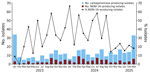
Figure 1. Carbapenemase-producing Klebsiella pneumoniaeisolates submitted to the Laboratory Network for Infection Surveillance System of the Canary Islands by Complejo Hospitalario Universitario Insular-Materno Infantil (Gran Canaria) during January 2023–March 2025...
We compiled a comprehensive representation of the contribution of NDM-14–producing ST147 K. pneumoniae to the overall proportion of carbapenemase-producing K. pneumoniae isolates submitted by CHUIMI to RELAP during the study period (Figure 1). Isolates that fulfilled >1 of the following criteria were submitted: isolates from clinical samples associated with invasive infection (excluding colonization); isolates from clinical or environmental sources during outbreak or epidemic events; or detection of emerging pathogens requiring enhanced surveillance, including the NDM-14–producing K. pneumoniae isolates we describe. The peak of the reported cases occurred during June 2023–September 2024. During that period, the mean (+SD) percentage of submitted K. pneumoniae isolates producing NDM-14 among all submitted carbapenemase-producing K. pneumoniae isolates was 41.56% (SD +14.40%). The maximum peak of incidence occurred in January 2024, when production of NDM-14 accounted for 67% of the 35 cases.
During the study period, most cases were identified at CHUIMI (n = 93), where the index case was detected. However, during 2024, additional cases were also reported at Hospital Universitario de Gran Canaria Doctor Negrín (n = 4), a hospital in Gran Canaria, the same island as the index case, as well as at Hospital Universitario Doctor José Molina Orosa on the neighboring island of Lanzarote (n = 1) and Hospital General de Fuerteventura Virgen de la Peña on the neighboring island of Fuerteventura (n = 1). Those detections confirmed not only interhospital transmission but also cross-island emergence of NDM-14–producing ST147 K. pneumoniae.
To clarify the origin and early epidemiologic dynamics of that clone, we focused on the first 30 cases detected in 2023 at CHUIMI (Appendix 1 Table 1). The isolates were collected from patients across different medical and surgical wards: internal medicine (n = 12); general digestive surgery (n = 4); digestive, hematology, neurology, and neurosurgery (n = 2 each); and pneumology, endocrinology, emergency, vascular surgery, oncology, and infectious diseases (n = 1 each) (Appendix 1 Table 1). The spread of the clone among those wards and departments occurred despite implementation of control measures and could not be clearly linked or assigned to a specific reservoir or transmission chain on which to act, limiting the effectiveness of measures adopted for containment. The spread beyond the hospital was later reflected by cases detected through emergency services or with onset in the community, although most cases of community acquisition showed previous contact with healthcare institutions (data not shown).
Patients from whom isolates were recovered had a median age of 70.5 years (range 34–96 years); sex distribution was similar (17 [56.7%] male and 13 [44.3%] female). Median time from admission to positive blaNDM-14 culture was 14 days (range 0–309 days) (Appendix 2 Figure 1). Most (n = 28) cases were in Canary Islands residents, despite the presence of 2 nonresidents (1 from Morocco, 1 from Germany) in the initial 3-case cluster in ward 10S. Most cases were colonization (19/30 [63.3%]), and 30-day mortality among patients with positive cultures was low (2/30 [6.7%]). With the exception of the index case-patient, who was treated with colistin, most patients with documented infection were treated with ceftazidime/avibactam combined with aztreonam (Appendix 1 Table 1).
Genomic Investigation and Cross-Border Emergence Linked to Morocco and France
Figure 2
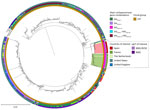
Figure 2. Core-genome phylogenomic tree of New Delhi metallo-β-lactamase (NDM) 14–producing Klebsiella pneumoniae ST147 isolates from a Canary Islands outbreak and related isolates from study of emergence of NDM-14–producing ...
We performed core-genome phylogenomic reconstruction of the 30 NDM-14–producing K. pneumoniae isolates identified at CHUIMI in comparison with the closest 863 genomes of the ST147 available in multiple databases and using the genome of K. pneumoniae isolate TGH13 (GenBank accession number CP012745.1) as reference. The NDM-14–producing ST147 K. pneumoniae isolates from the Canary Islands grouped into a cluster belonging to core-genome multilocus sequence type (MLST) 8081/8250 (Figure 2), which included other genetically related blaNDM-14–positive ST147 K. pneumoniae isolates from other countries, such as France, the Netherlands, the United States, and the United Kingdom. Isolates from the Canary Islands formed a well-defined subcluster, highlighting their close phylogenomic relationship.
We detected 3 core-genome clusters of 5 single-nucleotide polymorphisms (SNPs) among the isolates (Appendix 2 Figure 2). The Canary Islands sublineage had an average core-genome distance among any 2 isolates of 2.7 SNPs and a maximum distance of 9 SNPs. Finally, the mean (+SD) whole-genome distance of any Canary Islands isolate against the index case, I238, was 4 (± 3) mutations (including insertions and deletions). To visualize the strain evolution, we sequenced 3 additional isolates from 2024 (n = 1) and 2025 (n = 2) (Appendix 1 Table 2); those isolates showed an average whole-genome distance of 28 (± 13) mutations against I238.
Virulome, Resistome, and Plasmidome of NDM-14–Producing K. pneumoniae ST147 Isolates from the Canary Islands
Whole-genome sequencing analysis of the 30 isolates identified in 2023 (I238-I440) confirmed clonal dissemination of this ST147 clone (core-genome MLST ≈8081/8250; wzi64, O1/O2v1). Putative virulence was influenced by the presence of aerobactin (iuc) and yersiniabactin (ybt) and the absence of colibactin (clb). The multidrug-resistant profile was associated with the presence of multiple β-lactamase-encoding genes, including blaNDM-14, blaCTX-M-15, blaOXA-1, blaOXA-9, blaSHV-11, and blaTEM-1, as well as detection of a truncated ompK35 (R60fs), impairing outer membrane permeability. Additional resistance determinants were identified for aminoglycosides (aac(6′)-Ib′, aac(6′)-Ib-cr, aadA, aph(3′)-VI, aph3-Ia, armA), fluoroquinolones (qnrS1), and other antimicrobial families (sul1, sul2, dfrA5, catB3, arr-3, mphA, mphE, mrx, msrE). Furthermore, all isolates carried 6 plasmids: incompatiability group (Inc) FIB+IncHI1B (≈330 kbp), IncFIB (≈1,12 kbp), IncFIB (54 kbp), IncR (≈40 kbp), Col(pHAD28) (4 kbp), and ColRNAI (≈9 kbp). Of note, the blaNDM-14 gene was located on the nonconjugative IncFIB plasmid of ≈54 kbp. We compiled comparative data regarding the differential genomic features of the isolates from the Canary Islands cluster with other nearby isolates (Figure 2; Appendix 2 Figure 2).
Genetic Context of β-Lactamases
Figure 3
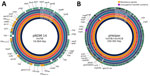
Figure 3. Comparison of 2 of the most relevant plasmids in isolates from study of emergence of New Delhi metallo-β-lactamase (NDM) 14–producing Klebsiella pneumoniaeST147 clone in Spain and outbreak in...
Figure 4
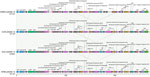
Figure 4. Detailed comparison of circularized blaNDM-14 plasmids from study of emergence of New Delhi metallo-β-lactamase (NDM) 14–producing Klebsiella pneumoniaeST147 clone in Spain and outbreak in the...
The blaNDM-14 gene was embedded in an IncFIB (54 kbp) plasmid also carrying blaCTX-M-15 and blaOXA-1. Another large IncFIB+IncHI1B (≈330 kbp) plasmid harbored multiple resistance genes but also multiple conjugative transfer proteins not present in the IncFIB (54 kbp) plasmid. Of particular interest, an additional isolate, designated I542, which corresponded to a blaNDM-14–positive K. pneumoniae sample detected during the outbreak but belonging to a phylogenomically distant sequence type (ST997), also carried the same plasmids, which confirmed the ability of the blaNDM-14 gene to spread horizontally among different K. pneumoniae sequence types. We further analyzed the IncFIB+IncHI1B (≈330 kbp) and IncFIB (54 kbp) plasmids and compared them with international isolates and MLSTs (Figure 3), finding that they matched almost perfectly with each other. Further analysis of the pNDM-14 plasmid (Figure 4) showed complete synteny at the nucleotide level. The blaNDM-14 gene was surrounded by an S630 family ISSpu2 transposase upstream and an IS6 family IS15DIV transposase downstream.
Antimicrobial Susceptibility to β-Lactams and β-Lactam/β-Lactamase Inhibitor Combinations and Mechanisms of Cefepime/Taniborbactam Resistance
Among the 30 K. pneumoniae clinical isolates associated with the outbreak, the most active antimicrobial combinations were aztreonam/avibactam and aztreonam/nacubactam, both demonstrating activity against the whole collection (100% susceptibility rate; 30/30 isolates). Aztreonam/avibactam showed the greatest potency; 50% MIC and 90% MIC values were both 0.125 mg/L. Combinations of cefepime with the novel diazabicyclooctane β-lactamase inhibitors zidebactam and nacubactam also exhibited high levels of activity; susceptibility rates were 96.7% (29/30 isolates), and MIC ranges were 1–16 mg/L for zidebactam and 2 to >32 mg/L for nacubactam. Cefiderocol and colistin both demonstrated similarly high susceptibility rates (96.7% susceptibility rate; 29/30 isolates); cefiderocol displayed a MIC range of 1–4 mg/L and a 50%/90% MIC of 2/2 mg/L, at the clinical breakpoint for susceptibility.
By contrast, all isolates were resistant to piperacillin/tazobactam, ceftazidime, ceftazidime/avibactam, cefepime, aztreonam, imipenem, imipenem/relebactam, meropenem, meropenem/vaborbactam, tobramycin, and amikacin (Appendix 1 Table 4). Of note, the combination of cefepime and the boronate-type β-lactamase inhibitor taniborbactam showed limited activity, inhibiting only 10% of isolates (3/30), with MIC values ranging from 4 to 32 mg/L.
We also evaluated production of NDM-1 or NDM-14 β-lactamases in either the wild-type E. coli TG1 host or the porin-deficient E. coli HB4 host (Appendix 1 Table 5). The susceptibility profile remained largely unchanged between hosts, with the notable exception of cefepime/taniborbactam, for which the MIC increased substantially, from 4 mg/L in E. coli TG1 to 64 mg/L in E. coli HB4.
RELAP (19) was launched in 2022, aligning with the European Centre for Disease Prevention and Control roadmap for integrating genomic typing in surveillance and outbreak investigations (22). The network provides timely, high-resolution WGS-based data on pathogen emergence within the archipelago, with particular focus on high-priority carbapenem-resistant Enterobacterales designated by the World Health Organization.
Using that network, RELAP, located in Tenerife (Spain), was able to carry out WGS-guided monitoring of the emergence of a large outbreak caused by a highly resistant NDM-14–producing K. pneumoniae ST147 clone in the Canary Islands. The outbreak affected 99 patients and spread rapidly across 4 hospitals on 3 islands in 27 months. Whereas the ST147 K. pneumoniae clone is a known disseminator of NDM-type carbapenemases (23,24), its association with the NDM-14 enzyme had not previously been reported in Spain. Our findings are consistent with and expand upon a previous report of this clone’s involvement in multiple outbreaks across France (18). Direct epidemiologic links with Morocco were detected in both the Canary Islands and France outbreaks.
The Canary Islands’ insular geography makes them highly vulnerable to pathogen importation through intense cross-border mobility (e.g., tourism, medical transfers), whereas their compartmentalized structure contributes to concentrated early transmission within a single island. This effect is further amplified by a tightly interconnected healthcare circuit relying on few reference hospitals, but interisland mobility eventually enables dissemination to other islands. Consequently, whereas the focal nosocomial cluster in this outbreak was controlled, the lineage appears to have disseminated across the community and various islands through patient movement and interisland healthcare referral, no longer limited to a single transmission chain or hospital ward. Therefore, the situation seems to have evolved from a focal outbreak to a scenario of cryptic dissemination. Those aspects highlight the necessity for robust surveillance measures to limit CPE spread in island settings, reinforcing the importance of surveillance networks using high-resolution, WGS-guided methods for rapid outbreak typing and control.
Comparative genomic analysis of the first 30 cases of the outbreak confirmed the NDM-14 enzyme was not acquired by existing K. pneumoniae ST147 lineages circulating in Spain, where this clone has been present for more than a decade (25,26). None of the outbreak isolates were clustered with previously reported ST147 genomes from Spain, suggesting a recent introduction of this specific sublineage of the clone into the country. All isolates from the Canary Island outbreak (average core-genome SNP distance of 2.7) fell within the clonality range (27). We also found them to be closely related to NDM-14–producing ST147 K. pneumoniae isolates from France, further supporting the hypothesis of a common origin in North Africa, where this high-risk clone was reported in 2025 (28). Its presence in the Netherlands, the United States, and the United Kingdom further underscores its global spread. Recent public health communications have argued for improved surveillance of NDM-producing isolates in patients transferred from Ukraine (29,30). In this context, the ongoing outbreaks in France and the Canary Islands, both linked to patients transferred from Morocco, also illustrate the need to maintain and reinforce surveillance on patient transfers from neighboring North Africa regions with a high burden of CPEs, such as Morocco (28), Tunisia (31), and Egypt (32).
The Canary Islands isolates’ resistome showed remarkable similarity to other NDM-14–producing K. pneumoniae isolates publicly available, including carriage of blaNDM-14, blaCTX-M-15, blaOXA-1, blaOXA-9, blaSHV-11, and blaTEM-1. All those genes are also present in genomes found in France, the Netherlands, the United States, and the United Kingdom, highlighting the still limited evolution of the β-lactam resistance mechanisms in this expanding strain. Alarmingly, some recent isolates from the Canary Islands appear to have also acquired blaOXA-48, as observed in the Netherlands. Another worrying finding is the first identification of the NDM-14–bearing plasmid outside of the ST147 clone in a phylogenomically distant K. pneumoniae ST997 isolate from the Canary Islands. Of note, that isolate not only contained the blaNDM-14 IncFIB (54 kbp) plasmid, which lacks putative genes involved in mobilization, but also the pHelper plasmid previously found to be necessary for transmission. Those observations confirm previous laboratory conjugation experiments (18) and demonstrate that conjugation can also occur between clinical strains, highlighting that this gene might disseminate further. Currently, its interspecies distribution seems limited to Acinetobacter lwoffii and K. pneumoniae. A very similar blaNDM-1–carrying ≈54 kbp IncFIB plasmid has been seen in Enterobacterales, primarily in K. pneumoniae in multiple STs globally. Nonetheless, the NDM-14 variant has only been detected in isolates epidemiologically associated with the North Africa region. That fact, combined with the distinct clustering of the K. pneumoniae lineage in which it appears, strongly suggests that the blaNDM-14–carrying plasmid evolved independently within the North Africa region from a common blaNDM-1 ancestor.
NDM-producing Enterobacterales are commonly resistant to all classic β-lactams, including aztreonam because of simultaneous production of AmpCs or extended-spectrum β-lactamases. As expected, all our isolates fit this assumption. Cefiderocol was active against the first 30 outbreak isolates analyzed here, although in all cases, MICs were borderline at 2 mg/L. The use of cefiderocol against NDM-producing Enterobacterales is to some extent concerning, because of measurable hydrolysis of this cephalosporin at the biochemical level (33) but also because of previously reported cases of drug resistance. By contrast, aztreonam/avibactam was highly active (MICs <0.125–0.25 mg/L), as previously reported (18), confirming that combination as the therapeutic option of choice for combating infections caused by the strain. We also analyzed the performance of some developmental combinations in clinical trial evaluation (cefepime/taniborbactam [34,35], cefepime/zidebactam [36], cefepime/nacubactam [37], and aztreonam/nacubactam [37]) with potential activity against MBL-producing Enterobacterales. However, none of those options was more active than aztreonam/avibactam, because none of them yielded MICs <1 mg/L, thus reinforcing the prominent role that aztreonam/avibactam is expected to have against NDM-producing Enterobacterales in the future (38). However, of concern is that some of the newly developed agents, particularly cefepime/taniborbactam, for which phase 3 clinical trial evaluations have recently been completed (39), were not active against many of the isolates included here (considering a clinical breakpoint of 4 mg/L). Resistance to that combination might not be caused by direct NDM-mediated resistance to taniborbactam inhibition but instead by a combination of NDM production with loss-of-function mutations affecting the ompK35 porin channel, as previously observed (40). Parallel production of both NDM-1 and NDM-14 in wild-type (E. coli TG1) and porin-deficient (E. coli HB4) hosts confirmed that NDM production under low-permeability conditions markedly increases cefepime MICs (from 64–128 to >256 mg/L) and cefepime/taniborbactam MICs (from 4 to 64 mg/L), providing further evidence on the interplay between NDM production and reduced outer membrane permeability in cefepime/taniborbactam resistance.
In conclusion, we report a large outbreak and the rapid, widespread emergence of NDM-14–producing K. pneumoniae ST147 in the Canary Islands of Spain during 2023–2025. The outbreak began after the direct transfer of a patient from Morocco. This clone is genetically closely related to isolates currently expanding in France and other countries, thus highlighting its clonal cross-border dissemination. The study findings also demonstrate that the blaNDM-14–carrying plasmid can be efficiently transferred to distantly related K. pneumoniae lineages and investigational β-lactam/β-lactamase inhibitor combinations show limited activity against these strains, for which aztreonam/avibactam is likely to become a key therapeutic option in severe infections.
Mr. Aja-Macaya is a bioinformatician in the Microbiology Service of the University Hospital of A Coruña, A Coruña, Spain. His research interests involve working with multidrug-resistant pathogens through genomics.
Acknowledgments
No ethics approval was needed for this outbreak investigation. Demographic and clinical data were anonymized with an alphanumeric code. Raw reads and produced assemblies are available in the National Center for Biotechnology Information (BioProject no. PRJNA1216752). Complete accession numbers (BioSample, Sequence Read Archive, GenBank) are provided in Appendix 1 Table 2.
This work was supported by the Instituto de Salud Carlos III (ISCIII project nos. PI24/00920, PI23/00851, and PI22/01212) and co-funded by the European Union. The research was also funded by Centro de Investigación Biomédica en Red de Enfermedades Infecciosas (CIBERINFEC; CB21/13/00055), integrated in the National Plan for Scientific Research, Development and Technological Innovation 2013-2016, and funded by the ISCIII-General Subdirection of Assessment and Promotion of the Research-European Regional Development Fund (FEDER) “A way of making Europe.” The study was also funded by Axencia Galega de Innovacion (GAIN), Conselleria de Innovacion, Conselleria de Emprego e Industria through “Proxectos de excelencia” (IN607D 2021/12 to A.B. and IN607D 2024/008 to J.A.-S.) and “Axudas para a consolidación de grupos de investigación que pola súa produción científica e a súa actividade de I + D constitúan unha referencia no Sistema galego de I + D + I” (IN607A 2024/09 to G.B.). T.B.-M. was financially supported by the Río Hortega Program (ISCIII, CM23/00095). S.R.-P. was financially supported by the Río Hortega Program (ISCIII, CM23/00104). L.G.-P. was financially supported by the PFIS Program (ISCIII, FI23/00074). J.A.-S. was financially supported by the Juan Rodés Program (ISCIII, JR21/00026).
P.A.-M, T.B.-M, C.M.-L, C.R.-Q, C.P, E.C.-T, S.R.-P, L.G.-P, A.B., and M.O performed the main investigation and analyzed the data. D.G.-M.A., G.B., and J.A.-S. conceived, designed, and supervised the study. All authors analyzed and interpreted the data, revised the manuscript, and approved the final version of the article.
References
- Wise MG, Karlowsky JA, Mohamed N, Hermsen ED, Kamat S, Townsend A, et al. Global trends in carbapenem- and difficult-to-treat-resistance among World Health Organization priority bacterial pathogens: ATLAS surveillance program 2018-2022. J Glob Antimicrob Resist. 2024;37:168–75. DOIPubMedGoogle Scholar
- Kumarasamy KK, Toleman MA, Walsh TR, Bagaria J, Butt F, Balakrishnan R, et al. Emergence of a new antibiotic resistance mechanism in India, Pakistan, and the UK: a molecular, biological, and epidemiological study. Lancet Infect Dis. 2010;10:597–602. DOIPubMedGoogle Scholar
- Johnson AP, Woodford N. Global spread of antibiotic resistance: the example of New Delhi metallo-β-lactamase (NDM)-mediated carbapenem resistance. J Med Microbiol. 2013;62:499–513. DOIPubMedGoogle Scholar
- Pérez-Vázquez M, Sola Campoy PJ, Ortega A, Bautista V, Monzón S, Ruiz-Carrascoso G, et al.; Spanish NDM Study Group. Emergence of NDM-producing Klebsiella pneumoniae and Escherichia coli in Spain: phylogeny, resistome, virulence and plasmids encoding blaNDM-like genes as determined by WGS. J Antimicrob Chemother. 2019;74:3489–96. DOIGoogle Scholar
- Oteo J, Domingo-García D, Fernández-Romero S, Saez D, Guiu A, Cuevas O, et al. Abdominal abscess due to NDM-1-producing Klebsiella pneumoniae in Spain. J Med Microbiol. 2012;61:864–7. DOIPubMedGoogle Scholar
- Cañada-García JE, Moure Z, Sola-Campoy PJ, Delgado-Valverde M, Cano ME, Gijón D, et al.; GEMARA/GEIRAS-SEIMC/REIPI CARB-ES-19 Study Group. Corrigendum: CARB-ES-19 multicenter study of carbapenemase-producing Klebsiella pneumoniae and Escherichia coli from all Spanish provinces reveals interregional spread of high-risk clones such as ST307/OXA-48 and ST512/KPC-3. Front Microbiol. 2023;14:
1331657 . DOIPubMedGoogle Scholar - Cañada-García JE, Pérez-Vázquez M, Oteo-Iglesias J. RedLabRA: Molecular surveillance of carbapenemase-producing Klebsiella pneumoniae, Enterobacter cloacae complex, and Escherichia coli in Spain. RedLabRA Annual Report 2023 [in Spanish]. Majadahonda (Madrid): Instituto de Salud Carlos III, Centro Nacional de Microbiología; 2025 [cited 2025 Dec 3]. https://cnm.isciii.es/redlabra
- Peirano G, Chen L, Kreiswirth BN, Pitout JDD. Emerging antimicrobial-resistant high-risk Klebsiella pneumoniae clones ST307 and ST147. Antimicrob Agents Chemother. 2020;64:e01148–20. DOIPubMedGoogle Scholar
- Rodrigues C, Desai S, Passet V, Gajjar D, Brisse S. Genomic evolution of the globally disseminated multidrug-resistant Klebsiella pneumoniae clonal group 147. Microb Genom. 2022;8:
000737 . DOIPubMedGoogle Scholar - Arca-Suárez J, Rodiño-Janeiro BK, Pérez A, Guijarro-Sánchez P, Vázquez-Ucha JC, Cruz F, et al.; GEMARA-SEIMC/REIPI Enterobacterales Study Group. Emergence of 16S rRNA methyltransferases among carbapenemase-producing Enterobacterales in Spain studied by whole-genome sequencing. Int J Antimicrob Agents. 2022;59:
106456 . DOIPubMedGoogle Scholar - Sandfort M, Hans JB, Fischer MA, Reichert F, Cremanns M, Eisfeld J, et al. Increase in NDM-1 and NDM-1/OXA-48-producing Klebsiella pneumoniae in Germany associated with the war in Ukraine, 2022. Euro Surveill. 2022;27:
2200926 . DOIPubMedGoogle Scholar - Rigatou A, Afolayan AO, Tatsi EB, Deliolanis I, Michos A, Reuter S, et al. Double carbapenemases in Klebsiella pneumoniae blood isolates: dissemination in a single medical center via multiple plasmids and a variety of highly efficient clones. Antimicrob Agents Chemother. 2025;69:
e0146224 . DOIPubMedGoogle Scholar - Blanco-Martín T, Alonso-García I, González-Pinto L, Outeda-García M, Guijarro-Sánchez P, López-Hernández I, et al.; GEMARA/SEIMC-CIBERINFEC Study Group on the activity and resistance mechanisms to new β-lactams and β-lactamase inhibitors (PROTECT). Activity of cefiderocol and innovative β-lactam/β-lactamase inhibitor combinations against isogenic strains of Escherichia coli expressing single and double β-lactamases under high and low permeability conditions. Int J Antimicrob Agents. 2024;63:
107150 . DOIPubMedGoogle Scholar - Warecki BA, Tomatis PE, Mojica MF, Bethel CR, Rodríguez Saravia M, Drusin SI, et al. Cefiderocol “under siege”? Understanding the rise of NDM-mediated resistance to novel agents. Chem Sci. 2025;16:12519–33. DOIPubMedGoogle Scholar
- Naas T, Oueslati S, Bonnin RA, Dabos ML, Zavala A, Dortet L, et al. Beta-lactamase database (BLDB) - structure and function. J Enzyme Inhib Med Chem. 2017;32:917–9 . DOIPubMedGoogle Scholar
- Hornsey M, Phee L, Wareham DW. A novel variant, NDM-5, of the New Delhi metallo-β-lactamase in a multidrug-resistant Escherichia coli ST648 isolate recovered from a patient in the United Kingdom. Antimicrob Agents Chemother. 2011;55:5952–4 . DOIPubMedGoogle Scholar
- Le Terrier C, Gruenig V, Fournier C, Nordmann P, Poirel L. NDM-9 resistance to taniborbactam. Lancet Infect Dis. 2023;23:401–2. DOIPubMedGoogle Scholar
- Emeraud C, Mahamat A, Jousset AB, Bernabeu S, Goncalves T, Pommier C, et al. Emergence and rapid dissemination of highly resistant NDM-14-producing Klebsiella pneumoniae ST147, France, 2022. Euro Surveill. 2023;28:
2300095 . DOIPubMedGoogle Scholar - Servicio Canario de la Salud. Instruction no. 3/2022, from the director of the Canary Islands health service establishing the Canary Islands network of microbiology laboratories to support the healthcare-associated infection surveillance system for the control and monitoring of resistant microorganisms [in Spanish]. Gobierno de Canarias. 2022 [cited 2025 Dec 3]. https://www3.gobiernodecanarias.org/sanidad/scs/content/b9e742a3-0466-11ee-8455-eff8b3f8079e/Intruccion_3_22.pdf
- Clinical and Laboratory Standards Institute. Performance standards for antimicrobial susceptibility testing, 34th edition (M100-S34). Wayne (PA): The Institute; 2024.
- European Committee on Antimicrobial Susceptibility Testing. Clinical breakpoints (v. 15.0). Växjö (Sweden); The Committee; 2025.
- European Centre for Disease Prevention and Control. ECDC strategic framework for the integration of molecular and genomic typing into European surveillance and multi-country outbreak investigations. Stockholm: The Centre; 2019.
- Marí-Almirall M, Cosgaya C, Pitart C, Viñes J, Muñoz L, Campo I, et al.; MERCyCAT Study Group. Dissemination of NDM-producing Klebsiella pneumoniae and Escherichia coli high-risk clones in Catalan healthcare institutions. J Antimicrob Chemother. 2021;76:345–54 . DOIPubMedGoogle Scholar
- Linkevicius M, Alm E, Roer L, Svartström O, Dada-Olorunwa M, Räisänen K, et al. Cross-border spread of a mosaic resistance (OXA-48) and virulence (aerobactin) plasmid in Klebsiella pneumoniae: a European Antimicrobial Resistance Genes Surveillance Network investigation, Europe, February 2019 to October 2024. Euro Surveill. 2025;30:
2500439 . DOIPubMedGoogle Scholar - Papagiannitsis CC, Izdebski R, Baraniak A, Fiett J, Herda M, Hrabák J, et al.; MOSAR WP2, WP3 and WP5 study groups; MOSAR WP2 WP3 and WP5 study groups. Survey of metallo-β-lactamase-producing Enterobacteriaceae colonizing patients in European ICUs and rehabilitation units, 2008-11. J Antimicrob Chemother. 2015;70:1981–8 . DOIPubMedGoogle Scholar
- Oteo J, Ortega A, Bartolomé R, Bou G, Conejo C, Fernández-Martínez M, et al.; GEIH-GEMARA (SEIMC) and REIPI. Prospective multicenter study of carbapenemase-producing Enterobacteriaceae from 83 hospitals in Spain reveals high in vitro susceptibility to colistin and meropenem. Antimicrob Agents Chemother. 2015;59:3406–12 . DOIPubMedGoogle Scholar
- Schürch AC, Arredondo-Alonso S, Willems RJL, Goering RV. Whole genome sequencing options for bacterial strain typing and epidemiologic analysis based on single nucleotide polymorphism versus gene-by-gene-based approaches. Clin Microbiol Infect. 2018;24:350–4 . DOIPubMedGoogle Scholar
- Khazaz A, El Otmani F, Benzaarate I, El Hamouchi A, Bourjilat F, Brisse S, et al. First detection of the high-risk Klebsiella pneumoniae ST147 clone producing NDM-14 in a community setting in Morocco: A new public health concern. J Glob Antimicrob Resist. 2025;40:96–7. DOIPubMedGoogle Scholar
- Pallett SJC, Morkowska A, Woolley SD, Potochilova VV, Rudnieva KL, Iungin OS, et al. Evolving antimicrobial resistance of extensively drug-resistant Gram-negative severe infections associated with conflict wounds in Ukraine: an observational study. Lancet Reg Health Eur. 2025;52:
101274 . DOIPubMedGoogle Scholar - Witteveen S, Hans JB, Izdebski R, Hasman H, Samuelsen Ø, Dortet L, et al. Dissemination of extensively drug-resistant NDM-producing Providencia stuartii in Europe linked to patients transferred from Ukraine, March 2022 to March 2023. Euro Surveill. 2024;29:
2300616 . DOIPubMedGoogle Scholar - Jaidane N, Tilouche L, Oueslati S, Girlich D, Azaiez S, Jacquemin A, et al. Clonal dissemination of NDM-producing Proteus mirabilis in a teaching hospital in Sousse, Tunisia. Pathogens. 2025;14:298. DOIPubMedGoogle Scholar
- Gamal D, Fernández-Martínez M, Salem D, El-Defrawy I, Montes LÁ, Ocampo-Sosa AA, et al. Carbapenem-resistant Klebsiella pneumoniae isolates from Egypt containing blaNDM-1 on IncR plasmids and its association with rmtF. Int J Infect Dis. 2016;43:17–20 . DOIPubMedGoogle Scholar
- Poirel L, Sadek M, Nordmann P. Contribution of PER-type and NDM-type β-lactamases to cefiderocol resistance in Acinetobacter baumannii. Antimicrob Agents Chemother. 2021;65:
e0087721 . DOIPubMedGoogle Scholar - ClinicalTrials.gov. Safety and efficacy study of cefepime/VNRX-5133 in patients with complicated urinary tract infections (CERTAIN-1). 2019 [cited 2025 Dec 3]. https://clinicaltrials.gov/study/NCT03840148
- ClinicalTrials.gov. Cefepime-taniborbactam vs meropenem in adults with VABP or ventilated HABP (CERTAIN-2). 2024 [cited 2025 Dec 3]. https://www.clinicaltrials.gov/study/NCT06168734
- ClinicalTrials.gov. Study of cefepime-zidebactam (FEP-ZID) in complicated urinary tract infection (cUTI) or acute pyelonephritis (AP). 2021 [cited 2025 Dec 3]. https://clinicaltrials.gov/study/NCT04979806
- ClinicalTrials.gov. P3 study to assess efficacy and safety of cefepime/nacubactam and aztreonam/nacubactam versus best available therapy for adults with infection due to carbapenem resistant Enterobacterales (Integral-2). 2023 [cited 2025 Dec 3]. https://clinicaltrials.gov/study/NCT05905055
- Vázquez-Ucha JC, Alonso-Garcia I, Guijarro-Sánchez P, Lasarte-Monterrubio C, Álvarez-Fraga L, Cendón-Esteve A, et al.; GEMARA-SEIMC/REIPI Enterobacterales Study Group. Activity of aztreonam in combination with novel β-lactamase inhibitors against metallo-β-lactamase-producing Enterobacterales from Spain. Int J Antimicrob Agents. 2023;61:
106738 . DOIPubMedGoogle Scholar - Wagenlehner FM, Gasink LB, McGovern PC, Moeck G, McLeroth P, Dorr M, et al.; CERTAIN-1 Study Team. Cefepime-taniborbactam in complicated urinary tract infection. N Engl J Med. 2024;390:611–22. DOIPubMedGoogle Scholar
- Blanco-Martín T, López-Hernández I, Aracil B, González-Pinto L, Aja-Macaya P, Alonso-García I, et al.; GEMARA-SEIMC/CIBERINFEC Study Group on the activity and resistance mechanisms to new β-lactams and β-lactamase inhibitors (PROTECT). Assessment of the activity and mechanisms of resistance to cefiderocol and combinations of β-lactams and the novel β-lactamase inhibitors avibactam, taniborbactam, zidebactam, nacubactam, xeruborbactam, and ANT3310 in emerging double-carbapenemase-producing Enterobacterales. Antimicrob Agents Chemother. 2024;68:
e0092424 . DOIPubMedGoogle Scholar
Figures
Cite This ArticleOriginal Publication Date: January 20, 2026
1These first authors contributed equally to this article.
2These senior authors contributed equally to this article.
Table of Contents – Volume 32, Number 1—January 2026
| EID Search Options |
|---|
 Advanced Article Search – Search articles by author and/or keyword.
|
 Articles by Country Search – Search articles by the topic country.
|
 Article Type Search – Search articles by article type and issue.
|
Please use the form below to submit correspondence to the authors or contact them at the following address:
Jorge Arca-Suárez, Complexo Hospitalario Universitario de A Coruña, As Xubias s/n, 15006, A Coruña, Spain
Top