Volume 32, Number 5—May 2026
Dispatch
Replication Efficiency of Contemporary Highly Pathogenic Avian Influenza A(H5N1) Virus Isolates in Human Nasal Epithelium Model


Cite This Article
Citation for Media
Abstract
Replication of influenza A virus in human nasal epithelium affects transmissibility and disease. We compared virus replication and immune responses in human nasal epithelium infected with seasonal and highly pathogenic avian influenza A(H5N1) viruses. Contemporary H5N1 viruses replicated better than the historical isolate; however, interferon response to B3.13 genotype viruses was dampened.
Since March 2024, a total of 70 human cases of highly pathogenic avian influenza (HPAI) A(H5N1) have been reported in the United States as a result of sporadic spillover events from poultry and dairy cattle (1). HPAI H5N1 clade 2.3.4.4b genotype B3.13 was responsible for many of the early cases (2). On January 31, 2025, HPAI H5N1 clade 2.3.4.4b genotype D1.1 was detected in dairy cattle (https://www.aphis.usda.gov/news/program-update/aphis-confirms-d11-genotype-dairy-cattle-nevada-0); D1.1 was later identified in humans (1). Those spillover events sparked global health concerns about the potential for large-scale spread of clade 2.3.4.4b HPAI H5N1 viruses and their risk to human and animal health.
Seasonal influenza A and HPAI H5N1 viruses both cause severe respiratory disease despite different tissue tropisms. Seasonal influenza A viruses primarily infect the upper respiratory tract (URT), whereas HPAI H5N1 viruses preferentially replicate in the lower respiratory tract (LRT). This contrast in tissue affinity is explained by differences in receptor specificity and has been implicated in transmission efficiency (3). Specifically, the URT predominantly expresses sialic acids linked to galactose by an α-2,6 linkage; the LRT expresses sialic acid linked to galactose via α-2,3. Despite the inefficient human-to-human transmission of HPAI H5N1 viruses, recent emergence and circulation of new genotypes in mammals emphasize the need to characterize these novel viruses in relevant respiratory tract models. Here, we compare the replication kinetics and host innate immune responses in human nasal epithelium of several seasonal influenza A virus isolates and historical and contemporary HPAI H5N1 virus isolates of 3 different genotypes.
Figure 1
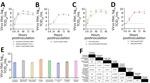
Figure 1. Replication of seasonal and highly pathogenic avian influenza (HPAI) A viruses in human nasal epithelium cultures in study of replication efficiency of contemporary HPAI H5N1 virus isolates in human nasal...
The nasal epithelium is the primary site of entry for influenza A virus in humans. Structurally, nasal tissue is composed of goblet, ciliated, and basal cells that produce mucin and form tight junctions as host defense mechanisms (4). The ability to study the nasal epithelium in vitro has substantially improved with recent advances in airway model development. The Mattek EpiNasal (https://www.mattek.com) tissue model is derived from primary human nasal epithelial cells and accurately recapitulates the in vivo mucociliary phenotype. We used the model to study growth kinetics of 8 influenza A virus isolates (Table; Appendix Figure 1) and the host response to infection.
HPAI H5N1 isolate A/Texas/37/2024 (B3.13 genotype) replicated most efficiently in nasal tissue even when compared with seasonal isolates (Figure 1). Although we noted differences in replication kinetics between viruses of the same genotype, the B3.13 and D1.1 genotype isolates replicated more efficiently than the historical HPAI H5N1 isolate A/Vietnam/1203/2004. The B3.6 HPAI H5N1 isolate A/mountain lion/MT/1/2024 replicated least efficiently (Figure 1). Presence of known mammalian adaptations of polymerase basic (PB) 2 E627K, PB2 D701N, and PB2 M631L was associated with more efficient virus replication (Table; Figure 1).
Figure 2
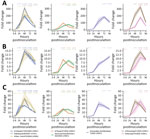
Figure 2. Induction of interferon-stimulated genes in human nasal epithelium infected with seasonal influenza A and highly pathogenic avian influenza (HPAI) A(H5N1) viruses in study of replication efficiency of contemporary HPAI H5N1...
Figure 3
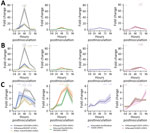
Figure 3. Induction of proinflammatory cytokines in human nasal epithelium infected with seasonal influenza A and highly pathogenic avian influenza (HPAI) A(H5N1) viruses in study of replication efficiency of contemporary HPAI H5N1...
Next, we assessed the host innate immune response to infection by quantifying interferon-stimulated gene (ISG) 15, interferon-induced transmembrane protein 3, myxovirus resistance 1, and proinflammatory cytokines interleukin 6 (IL-6), tumor necrosis factor α, and interleukin 1β (IL-1β), as previously described (10). B3.13 genotype viruses induced lower ISG responses than did D1.1 and historical HPAI H5N1 viruses, as well as seasonal influenza A viruses (Figure 2). Of note, dampened ISG response occurred despite high levels of virus replication (Figure 1). In contrast, the HPAI H5N1 A/mountain lion/MT/1/2024 isolate replicated to the lowest titers yet resulted in induction of ISGs similar to A/Vietnam/1203/2004 (Figure 2). ISGs peaked earlier and higher in human nasal epithelium inoculated with D1.1 A/Wyoming/01/2025 isolated from a severe case than for D1.1 A/Nevada/10/2025 isolated from a mild case (Table; Figure 2). We observed a different pattern for induction of proinflammatory cytokines. Only infection with the seasonal influenza A viruses and A/Vietnam/1203/2004 resulted in increased expression of all 3 proinflammatory cytokines. All other isolates only induced notable IL-1β expression, but not IL-6 or tumor necrosis factor α (Figure 3).
HPAI H5N1 virus replication can be affected by the physiologic temperature of the human nasal mucosa, for which the reference is 33°C (11,12). To address the potential effect of temperature on virus replication, we quantified virus replication kinetics at 37°C and 33°C in MDCK cells. At 8 hours postinoculation, the titers of HPAI H5N1 virus isolates were lower at 33°C than at 37°C (Appendix Figure 2). However, all viruses reached the same maximum titer at 33°C and 37°C. In addition, the relative difference observed between viruses at 37°C were similar at 33°C, suggesting that adjusting the temperature in the nasal epithelial cultures to 33°C would not have substantially altered our results.
The sporadic infections of mammals with HPAI H5N1 viruses coupled with the emergence of new genotypes raises questions regarding the pandemic potential of such viruses. Our use of a human nasal epithelium model to compare virus replication kinetics of and host immune responses to seasonal influenza A viruses and HPAI H5N1 clade 2.3.4.4b viruses from different genotypes showed that HPAI H5N1 B3.6 isolate A/mountain lion/MT/1/2024 was the least efficient at replicating in the nasal epithelium. Of note, the HPAI H5N1 A/bovine/Ohio/B24-OSU-342/2024 isolate lacks the canonical PB2 E627K substitution but has the PB2 M631L substitution, which was recently shown to increase polymerase activity in mammalian cell culture and increase virulence in a mouse model (8).
Previously, we compared replication kinetics of contemporary versus historical HPAI H5N1 viruses in a human alveolar organoid LRT model (10). In the LRT, the historical HPAI H5N1 virus replicated more efficiently than the contemporary HPAI H5N1 isolates, in contrast to our observations in the URT in this study. That finding suggests that the contemporary HPAI H5N1 viruses are better adapted to replicate in the human nasal epithelium.
Our study provides novel insights regarding the biological differences among influenza A viruses in the human nasal epithelium. Specifically, we observed a correlation between mammalian adaptation and replication efficiency in the human URT. Recently published work comparing B3.13 and D1.1 isolates in human nasal epithelium observed that the D1.1 isolate replicated better than the B3.13 isolate (13). That study used only 1 virus per genotype, and the B3.13 isolate was not a human isolate and lacked the PB2 E627K mammalian adaptation, which likely explains the reduced virus replication. Nonetheless, despite several studies highlighting the efficient replication of contemporary HPAI H5N1 viruses in the nasal epithelium, we see no evidence of human-to-human transmission. Existing immunity could partially explain that finding. A study using ferret models found that prior exposure to seasonal influenza A(H1N1) virus significantly reduced nasal shedding of contemporary H5N1 virus and prevented infection with H5N1 in a contact transmission setting (14). Thus, seasonal influenza A viruses have the potential to prime the immune system and prevent infection and transmission of contemporary HPAI H5N1 viruses. Influenza A(H1N1)pdm09–like viruses are still circulating in humans, and serosurveillance of exposed dairy farm workers revealed high (66%) prevalence of pdm09 neutralizing H1N1 antibodies (15). Therefore, existing immunity to influenza A(H1N1)pdm09–like viruses might protect against contemporary H5N1 infection and onward transmission despite high capacity for virus replication in human nasal epithelium.
Our results reveal that contemporary HPAI H5N1 isolates with known mammalian adaptations replicate more efficiently than historical HPAI H5N1 virus used. Despite high levels of virus replication, ISG induction was limited in response to B3.13 genotype virus infection. Additional studies are needed to further understand how virus replication efficiency and innate immune responses affect mammalian transmission efficiency. Existing immunity to other influenza A viruses might protect against contemporary H5N1 infection and onward transmission.
Dr. Flagg is a postdoctoral fellow in the Molecular Pathogenesis Section of the Laboratory of Virology, Rocky Mountain Laboratories, National Institute of Allergy and Infectious Diseases, National Institutes of Health. Her primary interests are epithelial stem cell biology and repair during virus infection.
Acknowledgments
This research was supported by the Intramural Research Program of the National Institutes of Health (NIH). The contributions of the NIH authors are considered works of the United States Government. The findings and conclusions presented in this paper are those of the authors and do not necessarily reflect the views of the NIH or the US Department of Health and Human Services.
Data included in this manuscript are available in Figshare at https://doi.org/10.6084/m9.figshare.31049938.
References
- Rolfes MA, Kniss K, Kirby MK, Garg S, Reinhart K, Davis CT, et al. Human infections with highly pathogenic avian influenza A(H5N1) viruses in the United States from March 2024 to May 2025. Nat Med. 2025;31:3889–98. DOIPubMedGoogle Scholar
- Uyeki TM, Milton S, Abdul Hamid C, Reinoso Webb C, Presley SM, Shetty V, et al. Highly pathogenic avian influenza A(H5N1) virus infection in a dairy farm worker. N Engl J Med. 2024;390:2028–9. DOIPubMedGoogle Scholar
- van Riel D, den Bakker MA, Leijten LM, Chutinimitkul S, Munster VJ, de Wit E, et al. Seasonal and pandemic human influenza viruses attach better to human upper respiratory tract epithelium than avian influenza viruses. Am J Pathol. 2010;176:1614–8. DOIPubMedGoogle Scholar
- Deprez M, Zaragosi LE, Truchi M, Becavin C, Ruiz García S, Arguel MJ, et al. A single-cell atlas of the human healthy airways. Am J Respir Crit Care Med. 2020;202:1636–45. DOIPubMedGoogle Scholar
- WHO Collaborating Centre for Reference and Research on Influenza. Characteristics of human influenza AH1N1, AH3N2, and B viruses isolated September 2007 to February 2008. London: The Centre; 2008.
- Memoli MJ, Jagger BW, Dugan VG, Qi L, Jackson JP, Taubenberger JK. Recent human influenza A/H3N2 virus evolution driven by novel selection factors in addition to antigenic drift. J Infect Dis. 2009;200:1232–41. DOIPubMedGoogle Scholar
- Maines TR, Lu XH, Erb SM, Edwards L, Guarner J, Greer PW, et al. Avian influenza (H5N1) viruses isolated from humans in Asia in 2004 exhibit increased virulence in mammals. J Virol. 2005;79:11788–800. DOIPubMedGoogle Scholar
- Zhang L, Lai Y, Cui Y, Yang Q, Shao Y, Ding S, et al. Emergence of mammalian-adaptive PB2 mutations enhances polymerase activity and pathogenicity of cattle-derived H5N1 influenza A virus. Nat Commun. 2025;17:1011. DOIPubMedGoogle Scholar
- Kaiser F, Morris DH, Wickenhagen A, Mukesh R, Gallogly S, Yinda KC, et al. Inactivation of avian influenza A(H5N1) virus in raw milk at 63°C and 72°C. N Engl J Med. 2024;391:90–2. DOIPubMedGoogle Scholar
- Flagg M, Williamson BN, Ortiz-Morales JA, Lutterman TR, de Wit E. Comparison of contemporary and historic highly pathogenic avian influenza A(H5N1) virus replication in human lung organoids. Emerg Infect Dis. 2025;31:318–22. DOIPubMedGoogle Scholar
- Tan KS, Liu J, Andiappan AK, Lew ZZR, He TT, Ong HH, et al. Unique immune and other responses of human nasal epithelial cells infected with H5N1 avian influenza virus compared to seasonal human influenza A and B viruses. Emerg Microbes Infect. 2025;14:
2484330 . DOIPubMedGoogle Scholar - Zeng H, Goldsmith CS, Kumar A, Belser JA, Sun X, Pappas C, et al. Tropism and infectivity of a seasonal A(H1N1) and a highly pathogenic avian A(H5N1) influenza virus in primary differentiated ferret nasal epithelial cell cultures. J Virol. 2019;93:e00080–19. DOIPubMedGoogle Scholar
- Zhang X, Lam SJ, Chen LL, Fong CH, Chan WM, Ip JD, et al. Avian influenza virus A(H5N1) genotype D1.1 is better adapted to human nasal and airway organoids than genotype B3.13. J Infect Dis. 2026;233:e662–6. DOIPubMedGoogle Scholar
- Restori KH, Weaver V, Patel DR, Merrbach GA, Septer KM, Field CJ, et al. Preexisting immunity to the 2009 pandemic H1N1 virus reduces susceptibility to H5N1 infection and disease in ferrets. Sci Transl Med. 2025;17:
eadw4856 . DOIPubMedGoogle Scholar - Mellis AM, Coyle J, Marshall KE, Frutos AM, Singleton J, Drehoff C, et al. Serologic evidence of recent infection with highly pathogenic avian influenza A(H5) virus among dairy workers—Michigan and Colorado, June–August 2024. MMWR Morb Mortal Wkly Rep. 2024;73:1004–9. DOIPubMedGoogle Scholar
Figures
Table
Cite This ArticleOriginal Publication Date: May 01, 2026
1These authors contributed equally to this article.
2Current affiliation: LSU Health, Shreveport, Louisiana, USA.
Table of Contents – Volume 32, Number 5—May 2026
| EID Search Options |
|---|
 Advanced Article Search – Search articles by author and/or keyword.
|
 Articles by Country Search – Search articles by the topic country.
|
 Article Type Search – Search articles by article type and issue.
|
Please use the form below to submit correspondence to the authors or contact them at the following address:
Emmie de Wit, National Institute of Allergy and Infectious Diseases, National Institutes of Health, 903 S 4th St, Hamilton, MT 59840, USA
Top