Travel and Natural Disasters
At a glance
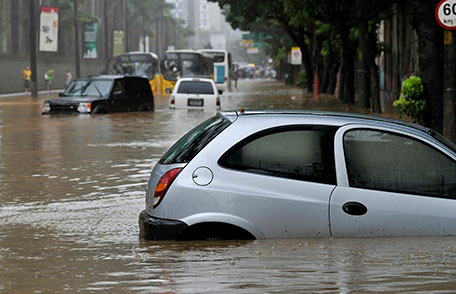
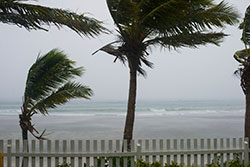
Know your destination’s risk for natural disasters before you book your trip. Natural disasters such as hurricanes, floods, tsunamis, tornadoes, earthquakes, wildfires, and volcanic eruptions could occur while you are on a trip. Natural disasters can seriously injure large numbers of people, contribute to the spread of some diseases, disrupt sanitation, and interrupt normal public services. The best way for travelers to stay healthy and safe when travelling is to plan ahead and stay well informed. If your destination is known to have a risk of natural disasters make yourself aware of local warning systems, evacuation routes, and shelters, and be prepared to protect yourself.
Be prepared
- Be informed: Know what type of emergencies happen in the area where you are traveling.
- Make a plan: Have safe places identified for your family and others with whom you are traveling to meet if separated, and make sure you know how to let them know you are okay.
- Make a kit: Your travel health kit should include first-aid supplies, copies of important documents (such as passport or prescriptions), a list of emergency contacts, and extra doses of prescription medicine.
You can find information on travel alerts and disaster threats on the Department of State website.
Flooding
- Follow instructions provided by local emergency and public health authorities. U.S. travelers visiting other countries can also seek advice from the nearest U.S. embassy.
- Be aware of your surroundings and avoid hazards:
- Avoid floodwater, especially if it is moving quickly.
- Don't drink, swim, or wade in floodwater or standing water; this water may contain harmful contaminants such as sewage, animal waste, disease-causing germs, chemicals, and debris.
- Wear waterproof protective clothing, shoes, or boots if you must enter floodwater or other water or soil that may be contaminated. In addition, ensure any open wounds are covered with a waterproof dressing.
- Don’t use electric tools or appliances while standing in water.
- If you are using a generator during a power outage, place it outside and at least 20 feet from windows, doors, and air vents. Never use generators, grills, camp stoves, or other fuel-burning devices inside your home, hotel room, garage, or enclosed space because they can cause deadly carbon monoxide poisoning.
- Stay away from wild or stray animals. Floodwaters may destroy natural habitats and force wildlife into populated areas, increasing the risk for interaction with humans.
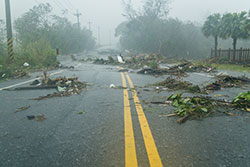
- Be alert for hazards that can cause injury, including debris, damaged buildings, unstable roads, and fast moving or standing water. During and after a natural disaster, deaths are most often due to blunt trauma, crush-related injuries, or drowning.
Earthquakes
- If there is an earthquake, drop to your knees, cover you head and neck, and hold on to your shelter to protect yourself.
- Damaged buildings, damaged power lines, and leaking gas and water lines are just a few of the hazards you might face after an earthquake.
- If you are near a shoreline, there may be a risk for tsunamis. Go inland and seek higher ground.
Wildfires & volcanic eruptions
- Wildfire smoke can reach far away from where fires burn. It's important for everyone to reduce their exposure to smoke. Wildfire smoke can make anyone sick, but some people have a higher risk of getting sick, such as children, people who have chronic conditions, and people who are pregnant.
- Exposure to volcanic ash and gas can cause respiratory problems. The best way to protect yourself and your family is to follow the advice of local officials. When warnings are heeded, the chances of adverse health effects from a volcanic eruption are very low.
During the aftermath
- Be careful during clean-up. Stay away from downed power lines, electrical outlets or appliances that have been exposed to water, and damaged or leaking gas lines.
- Wash your hands after contact with floodwater. Eat and drink only safe food and water.
- Protect yourself from mosquito bites.
- Prevent infection of open wounds and rashes.
- Seek medical care if you are injured, sick, or having trouble coping with stress. Natural disasters can increase the spread of some diseases, including skin infections, diarrheal disease, leptospirosis, melioidosis, invasive mold infections, and mosquito borne infections.
Additional resources