Malaria in Mayotte
Level 4 - Avoid All Travel
Level 3 - Reconsider Nonessential Travel
Level 2 - Practice Enhanced Precautions
Level 1 - Practice Usual Precautions
Key points
- Increased cases of malaria have been reported in Mayotte.
- Malaria is spread by the bite of infected mosquitoes.
- Malaria can be prevented by avoiding mosquito bites and taking a prescription antimalarial drug.
- If you are traveling to Mayotte, you should speak to your healthcare professional about which antimalarial drug is right for you. You will need to start taking this medicine prior to your departure and continue taking it during and after your trip.
- Seek medical care immediately if you develop symptoms including fever, chills, sweats, headache, vomiting, or body aches during or after travel, and tell your doctor that you have been in an area with malaria.
- Malaria is a medical emergency. Do not delay treatment.
Traveler Information
- Health Information for Travelers to Mayotte
- CDC Malaria Website
- Preventing Malaria While Traveling
- Preventing Mosquito Bites
Clinician Information
- Choosing a Drug to Prevent Malaria
- Clinical Testing and Diagnosis for Malaria
- Malaria in the CDC Yellow Book: Health Information for International Travel
- Yellow Fever & Malaria Information, by Country
- Malaria Risk Assessment for Travelers
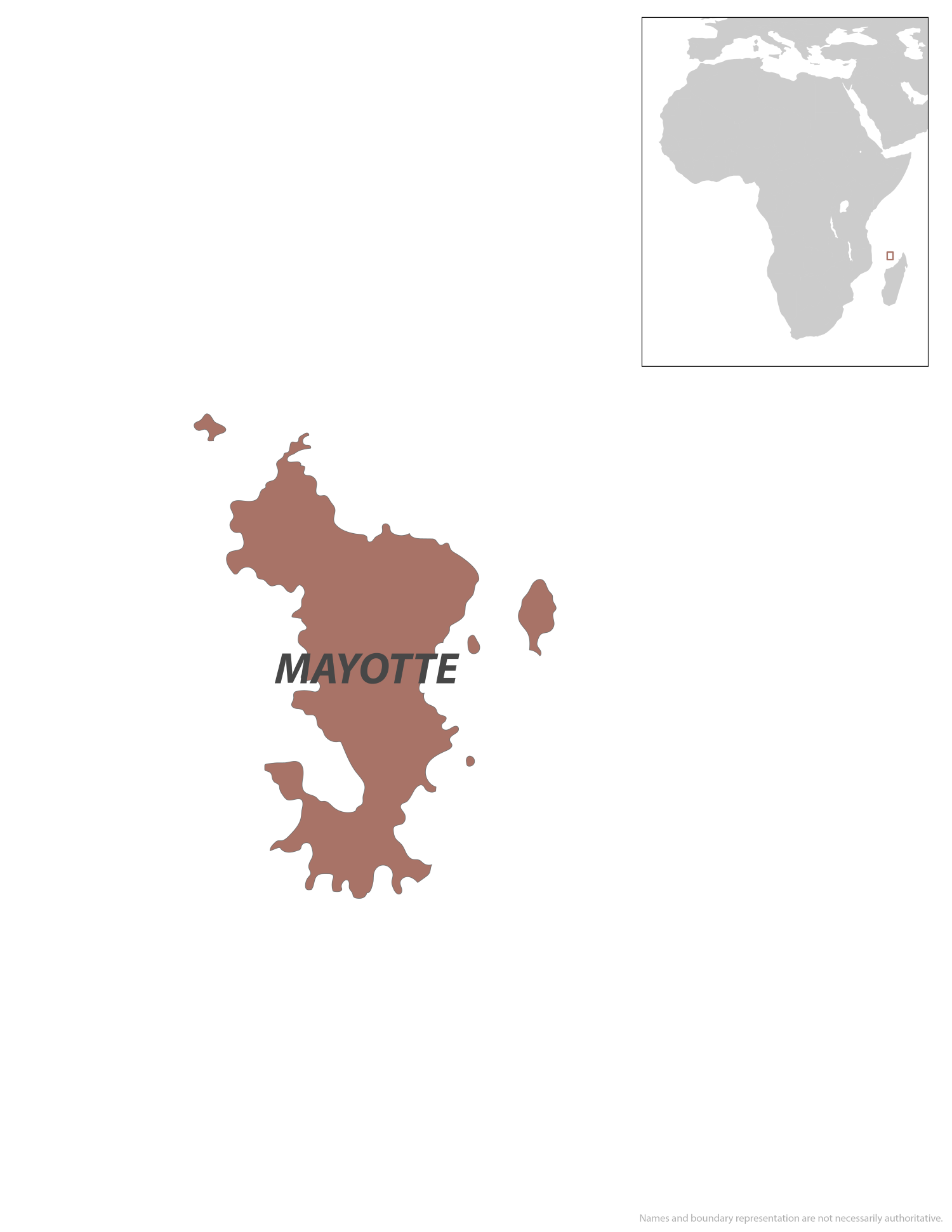
Map of Mayotte(View larger)
What is malaria?
Malaria is a disease caused by a parasite that spreads to humans through the bite of an infected mosquito.
Early symptoms of malaria are similar to those of the flu, including fever, chills, sweats, headache, vomiting, and body aches.
Malaria can be prevented by taking a prescription antimalarial drug to kill the parasites and by preventing mosquito bites.
Without prompt diagnosis and treatment, malaria can rapidly progress to severe illness and death.